
Experimental methods
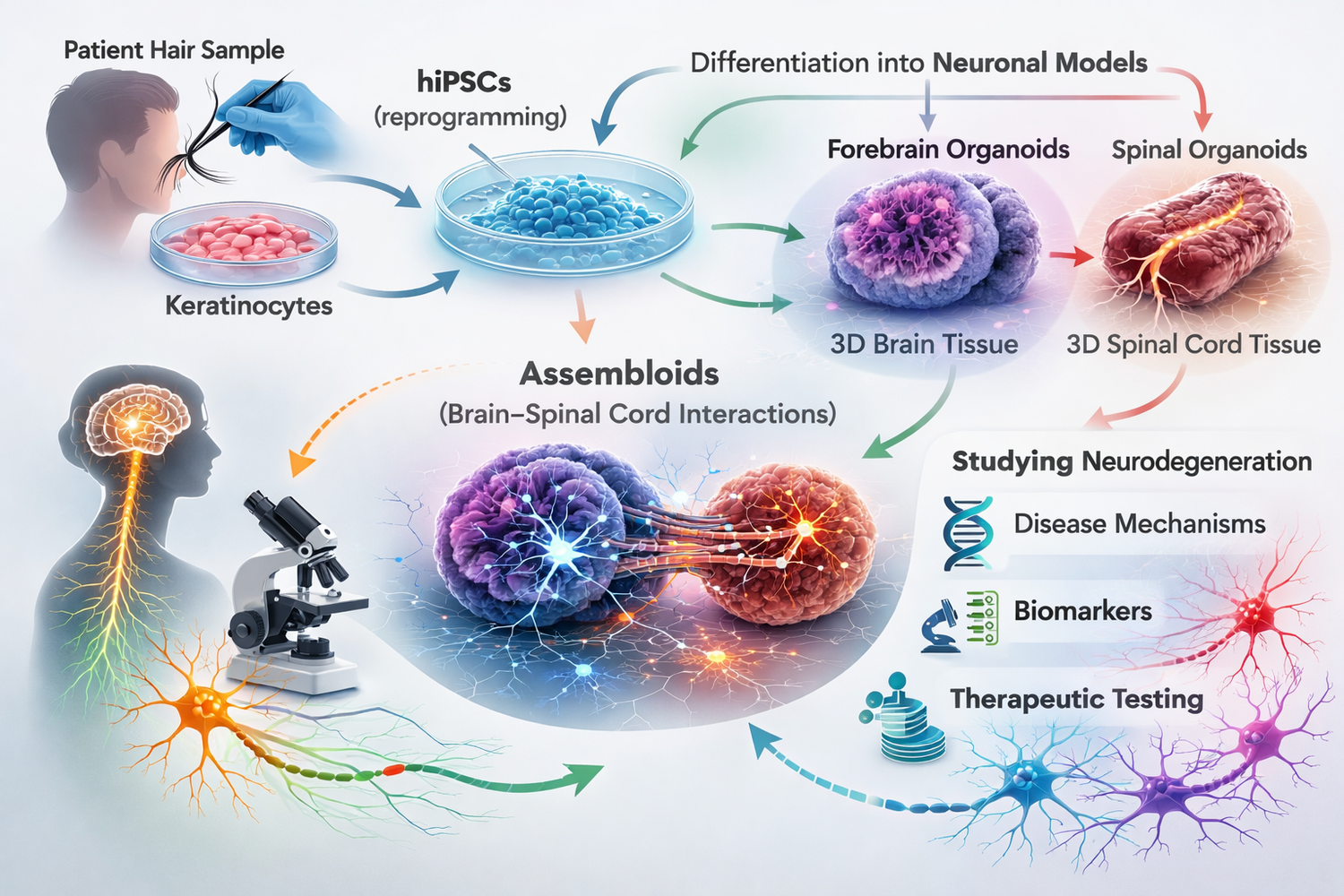
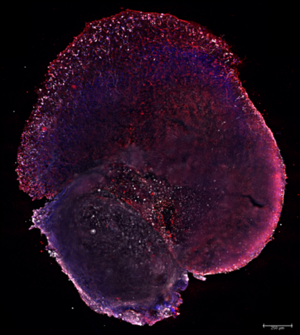
At the Neuroanatomy Institute of Aachen, we use human induced pluripotent stem cell (hiPSC)–derived neuronal models to better understand how neu rodegenerative diseases develop and progress. We generate hiPSCs directly from patients’ hair samples by reprogramming keratinocytes into stem cells. These stem cells have the remarkable ability to be differentiated into almost any cell type of the human the body. Using carefully established differentiation protocols, we guide them to become specific neural cell types, including motoneuron cultures as well as three-dimensional forebrain and spinal cord organoids. We also create “assembloids,” which combine different organoid types to model how distinct brain and spinal regions interact. Because these cells carry the patients’ own genetic information, our models closely reflect the disease processes occurring in humans. This allows us to study the cellular and molecular mechanisms of neurodegeneration in a highly relevant human system and to explore potential therapeutic strategies in a precise and personalized way.
