

Koch Group
Netzwerkeigenschaften und Mikrostruktur des menschlichen Gehirns
Das menschliche Gehirn muss ständig die kontinuierliche, elektrische Aktivität anpassen, welche die Grundlage von Informationsverarbeitung und der Gedächtnisbildung darstellt. Eine Fehlregulation dieses Gleichgewichts kann die neuronalen Netze in einen übererregten Zustand versetzen, was zu sogenannten epileptischen Anfällen führt, die eine Störung der betroffenen Hirnregionen verursacht. Die Ursache von epileptischer Hirnaktivität kann sehr unterschiedlich sein und die Mechanismen, die an der Entstehung und Entwicklung einer epileptischen Störung beteiligt sind, sind sehr komplex. Das Ziel unserer Arbeitsgruppe ist es, die Erregbarkeit kortikaler Verschaltungen und die Plastizität menschlicher Neurone und neuronaler Netzwerke zu untersuchen, auch inwieweit sie an der Epileptogenese beteiligt sind. Die Identifizierung potenzieller molekularer und zellulärer Signalwege, die an der Regulierung der Erregbarkeit der kortikalen Netzwerke beteiligt sind, könnte neue Ansatzpunkte für eine frühzeitige Intervention bei der Behandlung von Epilepsie aufdecken.
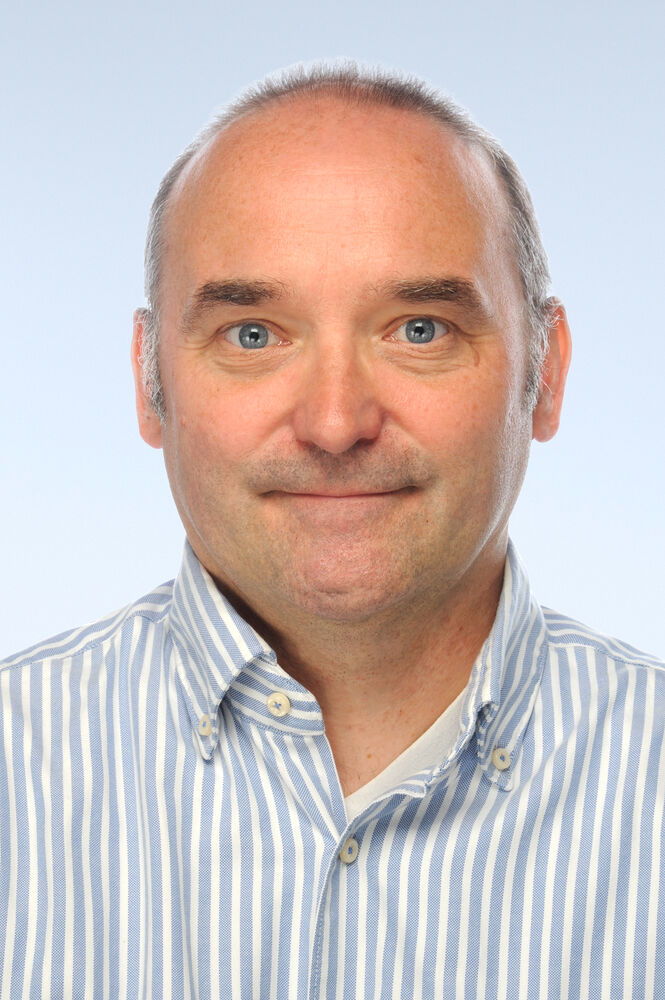
Dr. Henner Koch
hkochukaachende
Address
Dept. of Neurology, Section Epileptology
University of Aachen
Pauwelsstrasse 30
52074 Aachen, Germany
Tel. +49-(0)241- 80-80576
Team

Dr. Henner Koch
hkochukaachende
Address
Dept. of Neurology, Section Epileptology
University of Aachen
Pauwelsstrasse 30
52074 Aachen, Germany
Tel. +49-(0)241-80-80576

Sebastian Maruri
smaruripazmiukaachende
Address
Dept. of Neurology, Section Epileptology
University of Aachen
Pauwelsstrasse 30
52074 Aachen, Germany
Tel. +49-(0)241-80675

Birgit Gittel (lead technician)
bgittelukaachende
Address
Dept. of Neurology, Section Epileptology
University of Aachen
Pauwelsstrasse 30
52074 Aachen, Germany
Tel. +49-(0)241-80-38611

Lisa Josephine Korn
lkornukaachende
Address
Dept. of Neurology, Section Epileptology
University of Aachen
Pauwelsstrasse 30
52074 Aachen, Germany
Research projects and techniques
Aging and Neurodegeneration in a Human Brain Tissue Model
- Studying and manipulating the mature human brain at a cellular level has historically been challenging. Recent success involves long-term culturing of surgically resected human brain tissue while preserving its mature structure and neuronal activity.
- Recent research highlights the critical role of glia cells in neurodegenerative diseases.
- The project combines expertise in brain slice cultures and immunology to create a novel tool for exploring neurodegenerative disease dynamics and molecular mechanisms.
- This innovative system has the potential to bridge the gap between animal and human studies, serving as a primary tool for investigating neurodegenerative disease processes and testing new therapeutics.
- https://molecularneurodegeneration.biomedcentral.com/articles/10.1186/s13024-021-00471-2
- https://chanzuckerberg.com/science/programs-resources/neurodegeneration-challenge/projects/
- bridging-the-translational-gap-a-novel-adult-human-brain-tissue-system/
- Human organotypic brain slice cultures: a detailed and improved protocol for preparation and long-term maintenance - PubMed (nih.gov)
- Paper of the Quarter (PoQ) (3r-netzwerk.nrw)
Epilepsy and the respiratory control of breathing – Implication for SUDEP
- SUDEP is the leading epilepsy-related cause of death, affecting all ages and epilepsy severities. While ASMs control seizures for many patients, they don't cure epilepsy and can have severe side effects.
- Roughly 30% of ASM-resistant epilepsy patients face ongoing seizures and higher SUDEP risk, necessitating safer treatments.
- Targeting new molecular anti-seizure treatments may yield novel drugs and early diagnosis biomarkers.
- Cardiorespiratory dysfunction post-seizures may be SUDEP's common mechanism. Brainstem involvement due to epilepsy activity can cause SUDEP. Mouse models and advanced tech allow precise brain network investigations.
- A critical need persists for understanding epilepsy and SUDEP mechanisms. Mouse models and precise methods are vital for translating findings into preventive and therapeutic strategies.
- Promising therapies often fail to transition from preclinical models to human treatments.
- New therapy options are primarily developed and tested in non-human systems.
- Utilize human ex vivo brain systems to bridge the gap between preclinical and clinical research in epilepsy.
- Characterize and optimize viral vectors for gene therapy in human brain tissue, apply viral vector-mediated CRISPR techniques to model epilepsy causes in human samples, and use these insights to enhance promoter-driven gene therapy approaches for epilepsy. The ultimate goal is to improve treatment approaches for patients with epilepsy by gaining more accurate insights into disease mechanisms within a human context.
https://elifesciences.org/articles/48417
https://www.nature.com/articles/s41598-017-12527-9
https://www.biorxiv.org/content/10.1101/2023.10.10.561508v1

- Epilepsy involves synchronized depolarizations of neuron groups leading to seizures, with various causes. The electrophysiological and micro-anatomical aspects of seizures are poorly understood.
- To investigate epileptic discharges at a micro-network level we utilize innovative culturing methods for human brain slices and employ micro-electrode arrays (MEA) for spatio-temporal electrophysiological recordings.
- MEA recordings are instrumental in studying neuronal activity in human neocortical and hippocampal slices, providing insights into synchronized network activities. This approach aids in better understanding neuronal network dynamics and simulating physiological and disease-related brain processes.

Publications
10 Selected publications:
Schwarz N, Uysal B, Welzer M, Bahr JC, Layer N, Löffler H, Stanaitis K, Pa H, Weber YG, Hedrich UB, Honegger JB, Skodras A, Becker AJ, Wuttke TV, Koch H : 'Long-term adult human brain slice cultures as a model system to study human CNS circuitry and disease.' last (senior) eLife, 2019 Sep 9 doi: doi: 10.7554/eLife.48417
Koch H, Weber YG : 'The glucose transporter type 1 (Glut1) syndromes.' first Epilepsy & behavior : E&B, 2019 Feb doi: doi: 10.1016/j.yebeh.2018.06.010
Schwarz N, Hedrich UBS, Schwarz H, P A H, Dammeier N, Auffenberg E, Bedogni F, Honegger JB, Lerche H, Wuttke TV, Koch H : 'Human Cerebrospinal fluid promotes long-term neuronal viability and network function in human neocortical organotypic brain slice cultures.' last (senior) Scientific reports, 2017 Sep 25 doi: doi: 10.1038/s41598-017-12527-9
Schünemann KD, Hattingh RM, Verhoog MB, Yang D, Bak AV, Peter S, van Loo KMJ, Wolking S, Kronenberg-Versteeg D, Weber Y, Schwarz N, Raimondo JV, Melvill R, Tromp SA, Butler JT, Höllig A, Delev D, Wuttke TV, Kampa BM, Koch H : 'Comprehensive analysis of human dendritic spine morphology and density.' last (senior) Journal of neurophysiology, 2025 Apr 1 doi: doi: 10.1152/jn.00622.2024
Qi G, Yang D, Bak A, Hucko W, Delev D, Hamou H, Feldmeyer D, Koch H : 'Transport-related effects on intrinsic and synaptic properties of human cortical neurons: A comparative study.' last (senior) The Journal of physiology, 2026 Mar doi: doi: 10.1113/JP288111
Koch H, Caughie C, Elsen FP, Doi A, Garcia AJ 3rd, Zanella S, Ramirez JM : 'Prostaglandin E2 differentially modulates the central control of eupnoea, sighs and gasping in mice.' first The Journal of physiology, 2015 Jan 1 doi: doi: 10.1113/jphysiol.2014.279794
Bak A, Schmied K, Jakob ML, Bedogni F, Squire OA, Gittel B, Jesinghausen M, Schünemann KD, Weber Y, Kampa B, van Loo KMJ, Koch H : 'Temporal dynamics of neocortical development in organotypic mouse brain cultures: a comprehensive analysis.' last (senior) Journal of neurophysiology, 2024 Sep 1 doi: doi: 10.1152/jn.00178.2024
Koch H, Huh SE, Elsen FP, Carroll MS, Hodge RD, Bedogni F, Turner MS, Hevner RF, Ramirez JM : 'Prostaglandin E2-induced synaptic plasticity in neocortical networks of organotypic slice cultures.' first The Journal of neuroscience : the official journal of the Society for Neuroscience, 2010 Sep 1 doi: doi: 10.1523/JNEUROSCI.4665-09.2010
Koch H, Zanella S, Elsen GE, Smith L, Doi A, Garcia AJ 3rd, Wei AD, Xun R, Kirsch S, Gomez CM, Hevner RF, Ramirez JM : 'Stable respiratory activity requires both P/Q-type and N-type voltage-gated calcium channels.' first The Journal of neuroscience : the official journal of the Society for Neuroscience, 2013 Feb 20 doi: doi: 10.1523/JNEUROSCI.6390-11.2013
Layer N, Brandes J, Lührs PJ, Wuttke TV, Koch H : 'The effect of lamotrigine and other antiepileptic drugs on respiratory rhythm generation in the pre-Bötzinger complex.' last (senior) Epilepsia, 2021 Nov doi: doi: 10.1111/epi.17066
Further publications
2026
- Alhaskir M, Kutafina E, Linke F, Fischer FP, Schriewer E, Lauxmann S, Klett K, Hofmeister J, Lutz F, Burow L, Cicanic M, Khosrawikatoli S, Wolking S, Mayer T, Beniczky S, Kegele J, Röhrig R, Koch H, Weber Y : 'Reliable detection of focal onset impaired awareness seizures in patients with epilepsy using wearable ECG: Development and validation study.' Computer methods and programs in biomedicine, 2026 May 15 doi: doi: 10.1016/j.cmpb.2026.109295
- Bak AV, van Loo KMJ, Kronenberg-Versteeg D, Koch H : 'From mice to clinical relevance: humanizing neuroscience with human-based model systems.' Frontiers in cellular neuroscience, 2026 doi: doi: 10.3389/fncel.2026.1776439
- Qi G, Yang D, Bak A, Hucko W, Delev D, Hamou H, Feldmeyer D, Koch H : 'Transport-related effects on intrinsic and synaptic properties of human cortical neurons: A comparative study.' The Journal of physiology, 2026 Mar doi: doi: 10.1113/JP288111
2025
- Meconi A, Schmied K, Bak A, Pitsch J, Koch H, Schoch S, Becker AJ, van Loo KMJ : 'A New Toolbox to Label Zinc-MTF1 Responsive Neuronal Populations Unravels Cellular Congruence between MTF1 Responses and T-type Calcium Channelopathies in an Experimental Model of Epilepsy.' Molecular neurobiology, 2025 Dec 13 doi: doi: 10.1007/s12035-025-05433-z
- Karge RA, Fischer FP, Schüth H, Wechner A, Peter S, Kilo LA, Dichter M, Voigt A, Tavosanis G, van Loo KMJ, Koch H, Weber YG, Wolking S : 'Modeling AP2M1 developmental and epileptic encephalopathy in Drosophila.' Disease models & mechanisms, 2025 Nov 1 doi: doi: 10.1242/dmm.052419
- van Loo KMJ, Bak A, Hodge R, Bedogni F, Ramirez JSB, Emerson SN, Höllig A, Mansvelder HD, Goriounova NA, Ramirez JM, Koch H : 'What makes the human brain special: from cellular function to clinical translation.' Journal of neurophysiology, 2025 Oct 1 doi: doi: 10.1152/jn.00120.2025
- Jütten K, Ort J, Kernbach JM, Meyer-Baese A, Meyer-Baese U, Hamou HA, Clusmann H, Wiesmann M, Bremer J, Koch H, Bak A, Ricklefs F, Drexler R, Heiland DH, Delev D : 'High peritumoral network connectedness in glioblastoma reveals a distinct epigenetic signature and is associated with decreased overall survival.' Neuro-oncology, 2025 Oct 1 doi: doi: 10.1093/neuonc/noaf101
- Bi T, Koch H, Kremer B, Höllig A : 'Iron Hemostasis in Patients With Subarachnoid Hemorrhage and the Role of Early CSF Drainage.' Neurology, 2025 Jul 8 doi: doi: 10.1212/WNL.0000000000213767
- Jung M, Abu Shihada J, Decke S, Koschinski L, Graff PS, Maruri Pazmino S, Höllig A, Koch H, Musall S, Offenhäusser A, Rincón Montes V : 'Flexible 3D Kirigami Probes for In Vitro and In Vivo Neural Applications.' Advanced materials (Deerfield Beach, Fla.), 2025 Jun doi: doi: 10.1002/adma.202418524
- Schünemann KD, Hattingh RM, Verhoog MB, Yang D, Bak AV, Peter S, van Loo KMJ, Wolking S, Kronenberg-Versteeg D, Weber Y, Schwarz N, Raimondo JV, Melvill R, Tromp SA, Butler JT, Höllig A, Delev D, Wuttke TV, Kampa BM, Koch H : 'Comprehensive analysis of human dendritic spine morphology and density.' Journal of neurophysiology, 2025 Apr 1 doi: doi: 10.1152/jn.00622.2024
- Yamoune S, Koch H, Delev D, Weber Y, Stingl JC : 'Evaluation of stabilizing additives to protect activities of cytochrome P450 enzymes for in vitro drug testing and pharmacogenetic studies: Focus on CYP2D6.' Biochimica et biophysica acta. General subjects, 2025 Apr doi: doi: 10.1016/j.bbagen.2025.130770
2024
- Fischer FP, Karge RA, Koch H, Voigt A, Weber YG, Wolking S : 'The fruit fly Drosophila melanogaster as a screening model for antiseizure medications.' Frontiers in pharmacology, 2024 doi: doi: 10.3389/fphar.2024.1489888
- Brenner A, Knispel F, Fischer FP, Rossmanith P, Weber Y, Koch H, Röhrig R, Varghese J, Kutafina E : 'Concept-based AI interpretability in physiological time-series data: Example of abnormality detection in electroencephalography.' Computer methods and programs in biomedicine, 2024 Dec doi: doi: 10.1016/j.cmpb.2024.108448
- Bak A, Schmied K, Jakob ML, Bedogni F, Squire OA, Gittel B, Jesinghausen M, Schünemann KD, Weber Y, Kampa B, van Loo KMJ, Koch H : 'Temporal dynamics of neocortical development in organotypic mouse brain cultures: a comprehensive analysis.' Journal of neurophysiology, 2024 Sep 1 doi: doi: 10.1152/jn.00178.2024
- Yang D, Qi G, Ort J, Witzig V, Bak A, Delev D, Koch H, Feldmeyer D : 'Modulation of large rhythmic depolarizations in human large basket cells by norepinephrine and acetylcholine.' Communications biology, 2024 Jul 20 doi: doi: 10.1038/s42003-024-06546-2
- Nevelchuk S, Brawek B, Schwarz N, Valiente-Gabioud A, Wuttke TV, Kovalchuk Y, Koch H, Höllig A, Steiner F, Figarella K, Griesbeck O, Garaschuk O : 'Morphotype-specific calcium signaling in human microglia.' Journal of neuroinflammation, 2024 Jul 17 doi: doi: 10.1186/s12974-024-03169-6
- Bak A, Koch H, van Loo KMJ, Schmied K, Gittel B, Weber Y, Ort J, Schwarz N, Tauber SC, Wuttke TV, Delev D : 'Human organotypic brain slice cultures: a detailed and improved protocol for preparation and long-term maintenance.' Journal of neuroscience methods, 2024 Apr doi: doi: 10.1016/j.jneumeth.2023.110055
- Fürstenau E, Lindauer U, Koch H, Höllig A : 'Secondary Ischemia Assessment in Murine and Rat Preclinical Subarachnoid Hemorrhage Models: A Systematic Review.' Journal of the American Heart Association, 2024 Mar 5 doi: doi: 10.1161/JAHA.123.032694
- Taylor LW, Simzer EM, Pimblett C, Lacey-Solymar OTT, McGeachan RI, Meftah S, Rose JL, Spires-Jones MP, Holt K, Catterson JH, Koch H, Liaquat I, Clarke JH, Skidmore J, Smith C, Booker SA, Brennan PM, Spires-Jones TL, Durrant CS : 'p-tau Ser356 is associated with Alzheimer's disease pathology and is lowered in brain slice cultures using the NUAK inhibitor WZ4003.' Acta neuropathologica, 2024 Jan 4 doi: doi: 10.1007/s00401-023-02667-w
2023
- Alhaskir M, Tschesche M, Linke F, Schriewer E, Weber Y, Wolking S, Röhrig R, Koch H, Kutafina E : 'ECG Matching: An Approach to Synchronize ECG Datasets for Data Quality Comparisons.' Studies in health technology and informatics, 2023 Sep 12 doi: doi: 10.3233/SHTI230718
- Alhaskir M, Bauer J, Linke F, Schriewer E, Weber Y, Wolking S, Röhrig R, Rothermel M, Koch H, Kutafina E : 'Spectral Fusion of Heartbeat and Accelerometer Data for Estimation of Breathing Rate in Wearable Patches.' Studies in health technology and informatics, 2023 May 18 doi: doi: 10.3233/SHTI230336
- Fischer FP, Karge RA, Weber YG, Koch H, Wolking S, Voigt A : 'Drosophila melanogaster as a versatile model organism to study genetic epilepsies: An overview.' Frontiers in molecular neuroscience, 2023 doi: doi: 10.3389/fnmol.2023.1116000
2022
- Bauer J, Devinsky O, Rothermel M, Koch H : 'Autonomic dysfunction in epilepsy mouse models with implications for SUDEP research.' Frontiers in neurology, 2022 doi: doi: 10.3389/fneur.2022.1040648
2021
- Layer N, Brandes J, Lührs PJ, Wuttke TV, Koch H : 'The effect of lamotrigine and other antiepileptic drugs on respiratory rhythm generation in the pre-Bötzinger complex.' Epilepsia, 2021 Nov doi: doi: 10.1111/epi.17066
- Layer N, Sonnenberg L, Pardo González E, Benda J, Hedrich UBS, Lerche H, Koch H, Wuttke TV : 'Dravet Variant SCN1A (A1783V) Impairs Interneuron Firing Predominantly by Altered Channel Activation.' Frontiers in cellular neuroscience, 2021 doi: doi: 10.3389/fncel.2021.754530
- Barth M, Bacioglu M, Schwarz N, Novotny R, Brandes J, Welzer M, Mazzitelli S, Häsler LM, Schweighauser M, Wuttke TV, Kronenberg-Versteeg D, Fog K, Ambjørn M, Alik A, Melki R, Kahle PJ, Shimshek DR, Koch H, Jucker M, Tanriöver G : 'Microglial inclusions and neurofilament light chain release follow neuronal α-synuclein lesions in long-term brain slice cultures.' Molecular neurodegeneration, 2021 Aug 11 doi: doi: 10.1186/s13024-021-00471-2
- Yuste R, Hawrylycz M, Aalling N, Aguilar-Valles A, Arendt D, Armañanzas R, Ascoli GA, Bielza C, Bokharaie V, Bergmann TB, Bystron I, Capogna M, Chang Y, Clemens A, de Kock CPJ, DeFelipe J, Dos Santos SE, Dunville K, Feldmeyer D, Fiáth R, Fishell GJ, Foggetti A, Gao X, Ghaderi P, Goriounova NA, Güntürkün O, Hagihara K, Hall VJ, Helmstaedter M, Herculano-Houzel S, Hilscher MM, Hirase H, Hjerling-Leffler J, Hodge R, Huang J, Huda R, Khodosevich K, Kiehn O, Koch H, Kuebler ES, Kühnemund M, Larrañaga P, Lelieveldt B, Louth EL, Lui JH, Mansvelder HD, Marin O, Martinez-Trujillo J, Chameh HM, Mohapatra AN, Munguba H, Nedergaard M, Němec P, Ofer N, Pfisterer UG, Pontes S, Redmond W, Rossier J, Sanes JR, Scheuermann RH, Serrano-Saiz E, Staiger JF, Somogyi P, Tamás G, Tolias AS, Tosches MA, García MT, Wozny C, Wuttke TV, Liu Y, Yuan J, Zeng H, Lein E : 'Author Correction: A community-based transcriptomics classification and nomenclature of neocortical cell types.' Nature neuroscience, 2021 Apr doi: doi: 10.1038/s41593-020-00779-0
- Yuste R, Hawrylycz M, Aalling N, Aguilar-Valles A, Arendt D, Arnedillo RA, Ascoli GA, Bielza C, Bokharaie V, Bergmann TB, Bystron I, Capogna M, Chang Y, Clemens A, de Kock CPJ, DeFelipe J, Dos Santos SE, Dunville K, Feldmeyer D, Fiáth R, Fishell GJ, Foggetti A, Gao X, Ghaderi P, Goriounova NA, Güntürkün O, Hagihara K, Hall VJ, Helmstaedter M, Herculano S, Hilscher MM, Hirase H, Hjerling-Leffler J, Hodge R, Huang J, Huda R, Khodosevich K, Kiehn O, Koch H, Kuebler ES, Kühnemund M, Larrañaga P, Lelieveldt B, Louth EL, Lui JH, Mansvelder HD, Marin O, Martinez-Trujillo J, Moradi Chameh H, Nath A, Nedergaard M, Němec P, Ofer N, Pfisterer UG, Pontes S, Redmond W, Rossier J, Sanes JR, Scheuermann R, Serrano-Saiz E, Steiger JF, Somogyi P, Tamás G, Tolias AS, Tosches MA, García MT, Vieira HM, Wozny C, Wuttke TV, Yong L, Yuan J, Zeng H, Lein E : 'Publisher Correction: A community-based transcriptomics classification and nomenclature of neocortical cell types.' Nature neuroscience, 2021 Apr doi: doi: 10.1038/s41593-020-00768-3
2020
- Yuste R, Hawrylycz M, Aalling N, Aguilar-Valles A, Arendt D, Armañanzas R, Ascoli GA, Bielza C, Bokharaie V, Bergmann TB, Bystron I, Capogna M, Chang Y, Clemens A, de Kock CPJ, DeFelipe J, Dos Santos SE, Dunville K, Feldmeyer D, Fiáth R, Fishell GJ, Foggetti A, Gao X, Ghaderi P, Goriounova NA, Güntürkün O, Hagihara K, Hall VJ, Helmstaedter M, Herculano-Houzel S, Hilscher MM, Hirase H, Hjerling-Leffler J, Hodge R, Huang J, Huda R, Khodosevich K, Kiehn O, Koch H, Kuebler ES, Kühnemund M, Larrañaga P, Lelieveldt B, Louth EL, Lui JH, Mansvelder HD, Marin O, Martinez-Trujillo J, Chameh HM, Mohapatra AN, Munguba H, Nedergaard M, Němec P, Ofer N, Pfisterer UG, Pontes S, Redmond W, Rossier J, Sanes JR, Scheuermann RH, Serrano-Saiz E, Staiger JF, Somogyi P, Tamás G, Tolias AS, Tosches MA, García MT, Wozny C, Wuttke TV, Liu Y, Yuan J, Zeng H, Lein E : 'A community-based transcriptomics classification and nomenclature of neocortical cell types.' Nature neuroscience, 2020 Dec doi: doi: 10.1038/s41593-020-0685-8
- Wickham J, Corna A, Schwarz N, Uysal B, Layer N, Honegger JB, Wuttke TV, Koch H, Zeck G : 'Human Cerebrospinal Fluid Induces Neuronal Excitability Changes in Resected Human Neocortical and Hippocampal Brain Slices.' Frontiers in neuroscience, 2020 doi: doi: 10.3389/fnins.2020.00283
- Moya-Díaz J, Bayonés L, Montenegro M, Cárdenas AM, Koch H, Doi A, Marengo FD : 'Ca(2+) -independent and voltage-dependent exocytosis in mouse chromaffin cells.' Acta physiologica (Oxford, England), 2020 Apr doi: doi: 10.1111/apha.13417
2019
- Czolk R, Schwarz N, Koch H, Schötterl S, Wuttke TV, Holm PS, Huber SM, Naumann U : 'Irradiation enhances the therapeutic effect of the oncolytic adenovirus XVir-N-31 in brain tumor initiating cells.' International journal of molecular medicine, 2019 Oct doi: doi: 10.3892/ijmm.2019.4296
- Schwarz N, Uysal B, Welzer M, Bahr JC, Layer N, Löffler H, Stanaitis K, Pa H, Weber YG, Hedrich UB, Honegger JB, Skodras A, Becker AJ, Wuttke TV, Koch H : 'Long-term adult human brain slice cultures as a model system to study human CNS circuitry and disease.' eLife, 2019 Sep 9 doi: doi: 10.7554/eLife.48417
- Hedrich UBS, Koch H, Becker A, Lerche H : '[Epileptogenesis and consequences for treatment].' Der Nervenarzt, 2019 Aug doi: doi: 10.1007/s00115-019-0749-8
- Koch H, Niturad CE, Theiss S, Bien CG, Elger C, Wandinger KP, Vincent A, Malter M, Körtvelyessy P, Lerche H, Dihné M : 'In vitro neuronal network activity as a new functional diagnostic system to detect effects of Cerebrospinal fluid from autoimmune encephalitis patients.' Scientific reports, 2019 Apr 3 doi: doi: 10.1038/s41598-019-41849-z
- Kruszynski S, Stanaitis K, Brandes J, Poets CF, Koch H : 'Doxapram stimulates respiratory activity through distinct activation of neurons in the nucleus hypoglossus and the pre-Bötzinger complex.' Journal of neurophysiology, 2019 Apr 1 doi: doi: 10.1152/jn.00304.2018
- Koch H, Weber YG : 'The glucose transporter type 1 (Glut1) syndromes.' Epilepsy & behavior : E&B, 2019 Feb doi: doi: 10.1016/j.yebeh.2018.06.010
2018
- Dubey M, Brouwers E, Hamilton EMC, Stiedl O, Bugiani M, Koch H, Kole MHP, Boschert U, Wykes RC, Mansvelder HD, van der Knaap MS, Min R : 'Seizures and disturbed brain potassium dynamics in the leukodystrophy megalencephalic leukoencephalopathy with subcortical cysts.' Annals of neurology, 2018 Mar doi: doi: 10.1002/ana.25190
2017
- Theiss S, Maetzler W, Deuschle C, Lerche H, Koch H, Dihné M : 'Dementia with Lewy bodies: cerebrospinal fluid suppresses neuronal network activity.' Neuroreport, 2017 Nov 8 doi: doi: 10.1097/WNR.0000000000000890
- Schwarz N, Hedrich UBS, Schwarz H, P A H, Dammeier N, Auffenberg E, Bedogni F, Honegger JB, Lerche H, Wuttke TV, Koch H : 'Human Cerebrospinal fluid promotes long-term neuronal viability and network function in human neocortical organotypic brain slice cultures.' Scientific reports, 2017 Sep 25 doi: doi: 10.1038/s41598-017-12527-9
2015
- Koch H, Caughie C, Elsen FP, Doi A, Garcia AJ 3rd, Zanella S, Ramirez JM : 'Prostaglandin E2 differentially modulates the central control of eupnoea, sighs and gasping in mice.' The Journal of physiology, 2015 Jan 1 doi: doi: 10.1113/jphysiol.2014.279794
2013
- Koch H, Zanella S, Elsen GE, Smith L, Doi A, Garcia AJ 3rd, Wei AD, Xun R, Kirsch S, Gomez CM, Hevner RF, Ramirez JM : 'Stable respiratory activity requires both P/Q-type and N-type voltage-gated calcium channels.' The Journal of neuroscience : the official journal of the Society for Neuroscience, 2013 Feb 20 doi: doi: 10.1523/JNEUROSCI.6390-11.2013
2012
- Quintana A, Zanella S, Koch H, Kruse SE, Lee D, Ramirez JM, Palmiter RD : 'Fatal breathing dysfunction in a mouse model of Leigh syndrome.' The Journal of clinical investigation, 2012 Jul doi: doi: 10.1172/JCI62923
- Madisen L, Mao T, Koch H, Zhuo JM, Berenyi A, Fujisawa S, Hsu YW, Garcia AJ 3rd, Gu X, Zanella S, Kidney J, Gu H, Mao Y, Hooks BM, Boyden ES, Buzsáki G, Ramirez JM, Jones AR, Svoboda K, Han X, Turner EE, Zeng H : 'A toolbox of Cre-dependent optogenetic transgenic mice for light-induced activation and silencing.' Nature neuroscience, 2012 Mar 25 doi: doi: 10.1038/nn.3078
2011
- Koch H, Garcia AJ 3rd, Ramirez JM : 'Network reconfiguration and neuronal plasticity in rhythm-generating networks.' Integrative and comparative biology, 2011 Dec doi: doi: 10.1093/icb/icr099
- Ramirez JM, Koch H, Garcia AJ 3rd, Doi A, Zanella S : 'The role of spiking and bursting pacemakers in the neuronal control of breathing.' Journal of biological physics, 2011 Jun doi: doi: 10.1007/s10867-011-9214-z
- Garcia AJ 3rd, Zanella S, Koch H, Doi A, Ramirez JM : 'Chapter 3--networks within networks: the neuronal control of breathing.' Progress in brain research, 2011 doi: doi: 10.1016/B978-0-444-53825-3.00008-5
2010
- Marcuccilli CJ, Tryba AK, van Drongelen W, Koch H, Viemari JC, Peña-Ortega F, Doren EL, Pytel P, Chevalier M, Mrejeru A, Kohrman MH, Lasky RE, Lew SM, Frim DM, Ramirez JM : 'Neuronal bursting properties in focal and parafocal regions in pediatric neocortical epilepsy stratified by histology.' Journal of clinical neurophysiology : official publication of the American Electroencephalographic Society, 2010 Dec doi: doi: 10.1097/WNP.0b013e3181fe06d8
- Martell A, Dwyer J, Koch H, Zanella S, Kohrman M, Frim D, Ramirez JM, van Drongelen W : 'N-methyl-D-aspartate-induced oscillatory properties in neocortical pyramidal neurons from patients with epilepsy.' Journal of clinical neurophysiology : official publication of the American Electroencephalographic Society, 2010 Dec doi: doi: 10.1097/WNP.0b013e3182007c7d
- Koch H, Huh SE, Elsen FP, Carroll MS, Hodge RD, Bedogni F, Turner MS, Hevner RF, Ramirez JM : 'Prostaglandin E2-induced synaptic plasticity in neocortical networks of organotypic slice cultures.' The Journal of neuroscience : the official journal of the Society for Neuroscience, 2010 Sep 1 doi: doi: 10.1523/JNEUROSCI.4665-09.2010
- Shea SD, Koch H, Baleckaitis D, Ramirez JM, Margoliash D : 'Neuron-specific cholinergic modulation of a forebrain song control nucleus.' Journal of neurophysiology, 2010 Feb doi: doi: 10.1152/jn.00803.2009
2006
- van Drongelen W, Koch H, Elsen FP, Lee HC, Mrejeru A, Doren E, Marcuccilli CJ, Hereld M, Stevens RL, Ramirez JM : 'Role of persistent sodium current in bursting activity of mouse neocortical networks in vitro.' Journal of neurophysiology, 2006 Nov
2003
- Van Drongelen W, Koch H, Marcuccilli C, Pena F, Ramirez JM : 'Synchrony levels during evoked seizure-like bursts in mouse neocortical slices.' Journal of neurophysiology, 2003 Sep

