Digital Anesthesia
- Perioperative Telemedicine
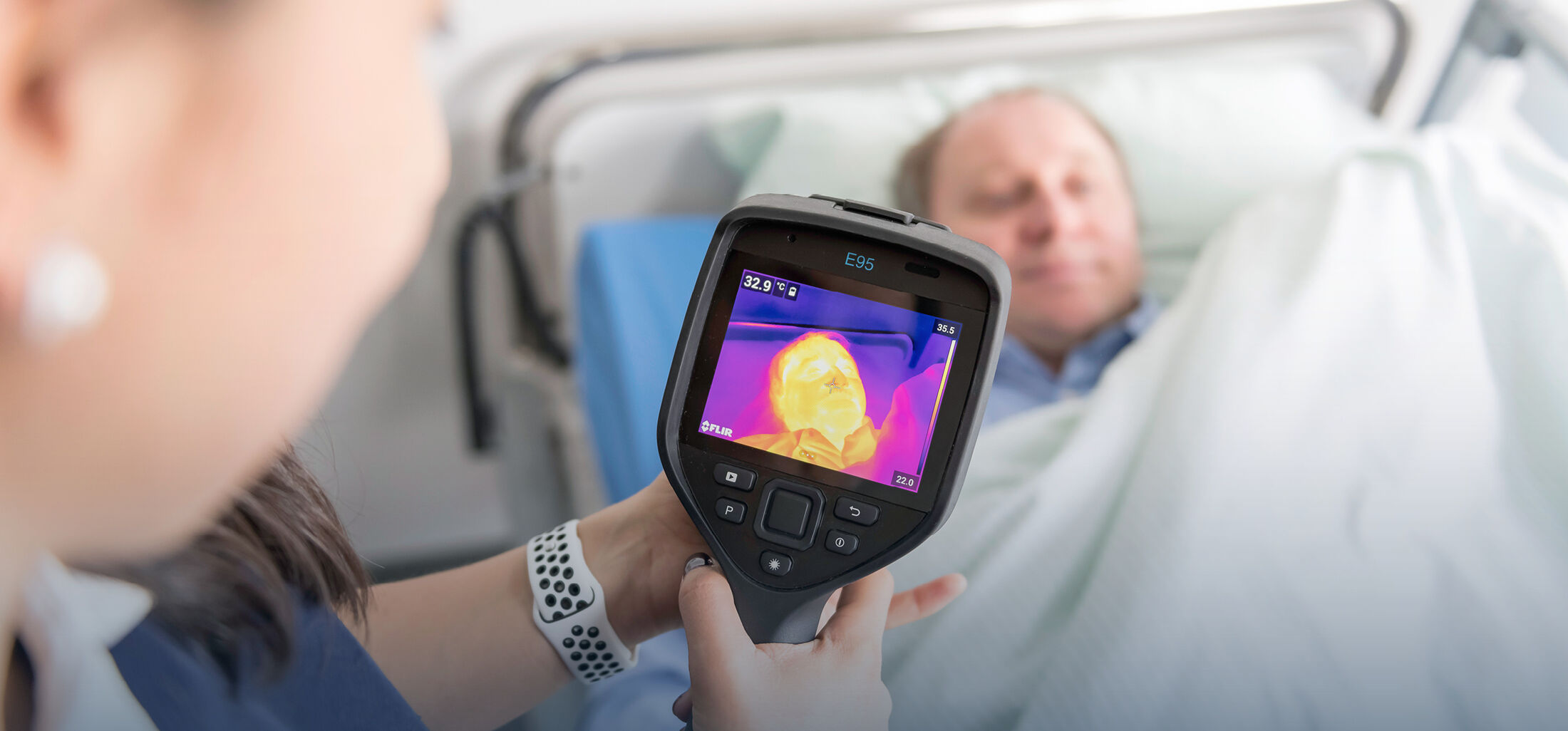
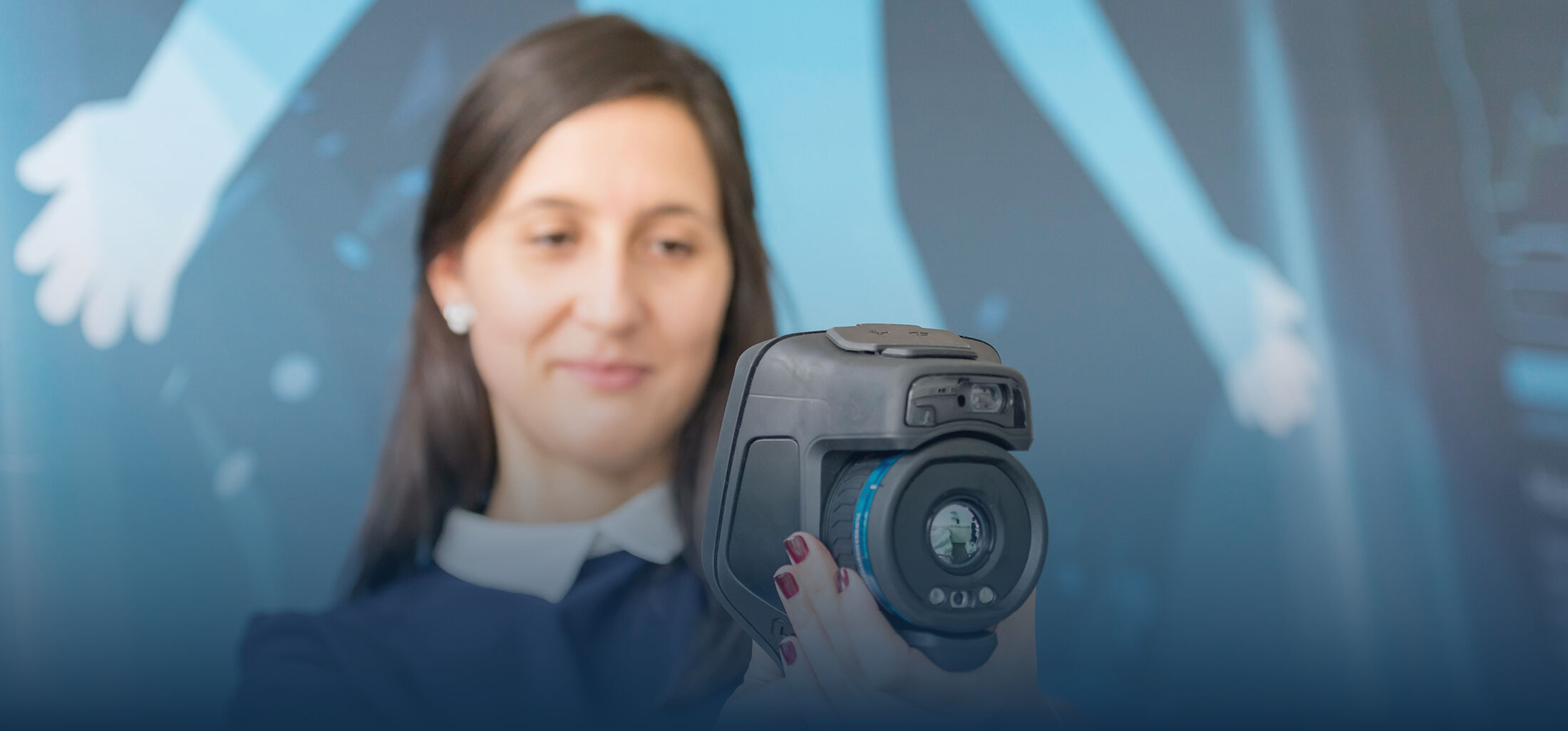
- Contactless Vital Signs Monitoring
- Interoperability and Clinical Decision Support
- Smart Alerting
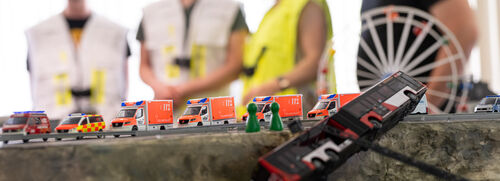
Digital Disaster Medicine
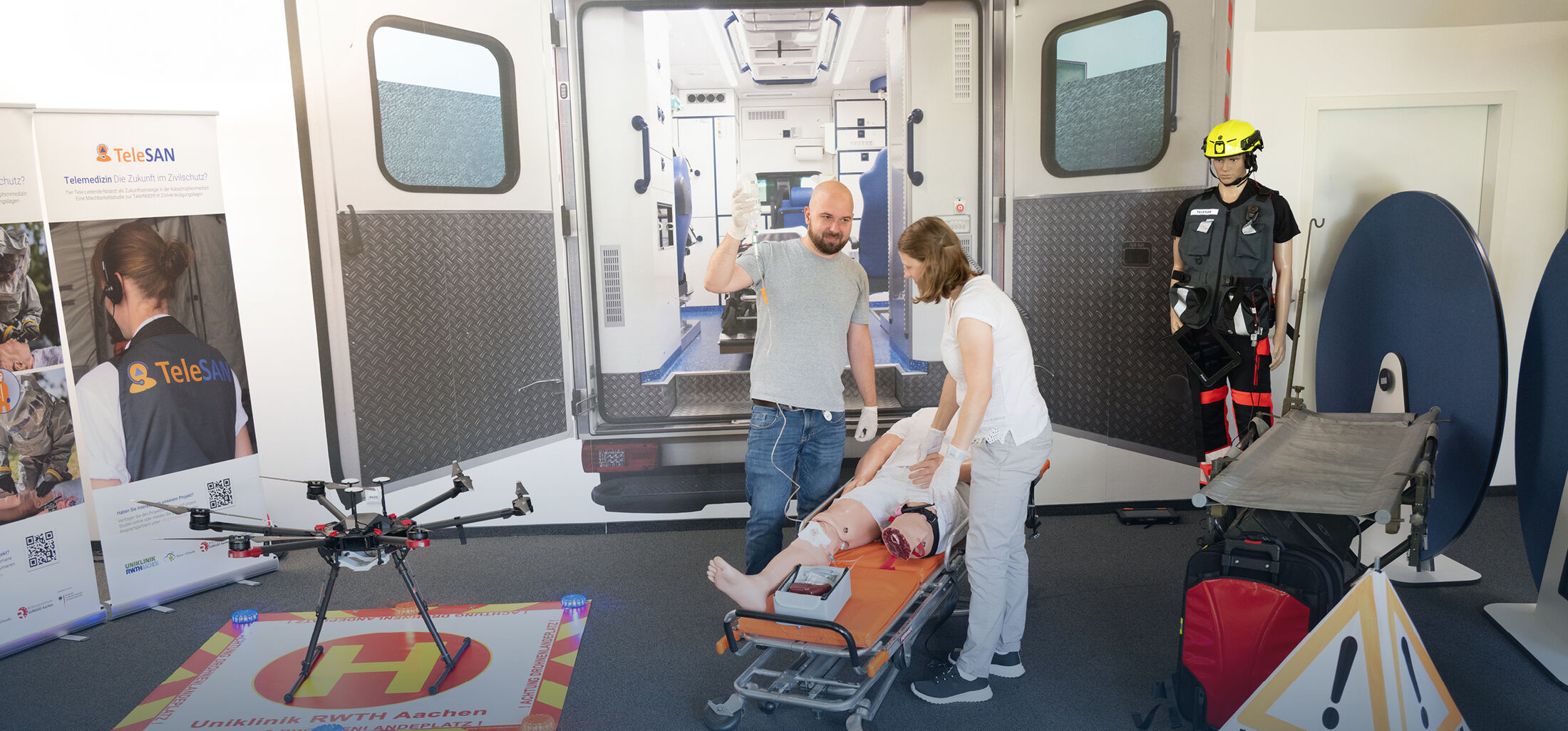
- Telemedicine for Civil Protection and Disaster Response
- Technical Triage Support
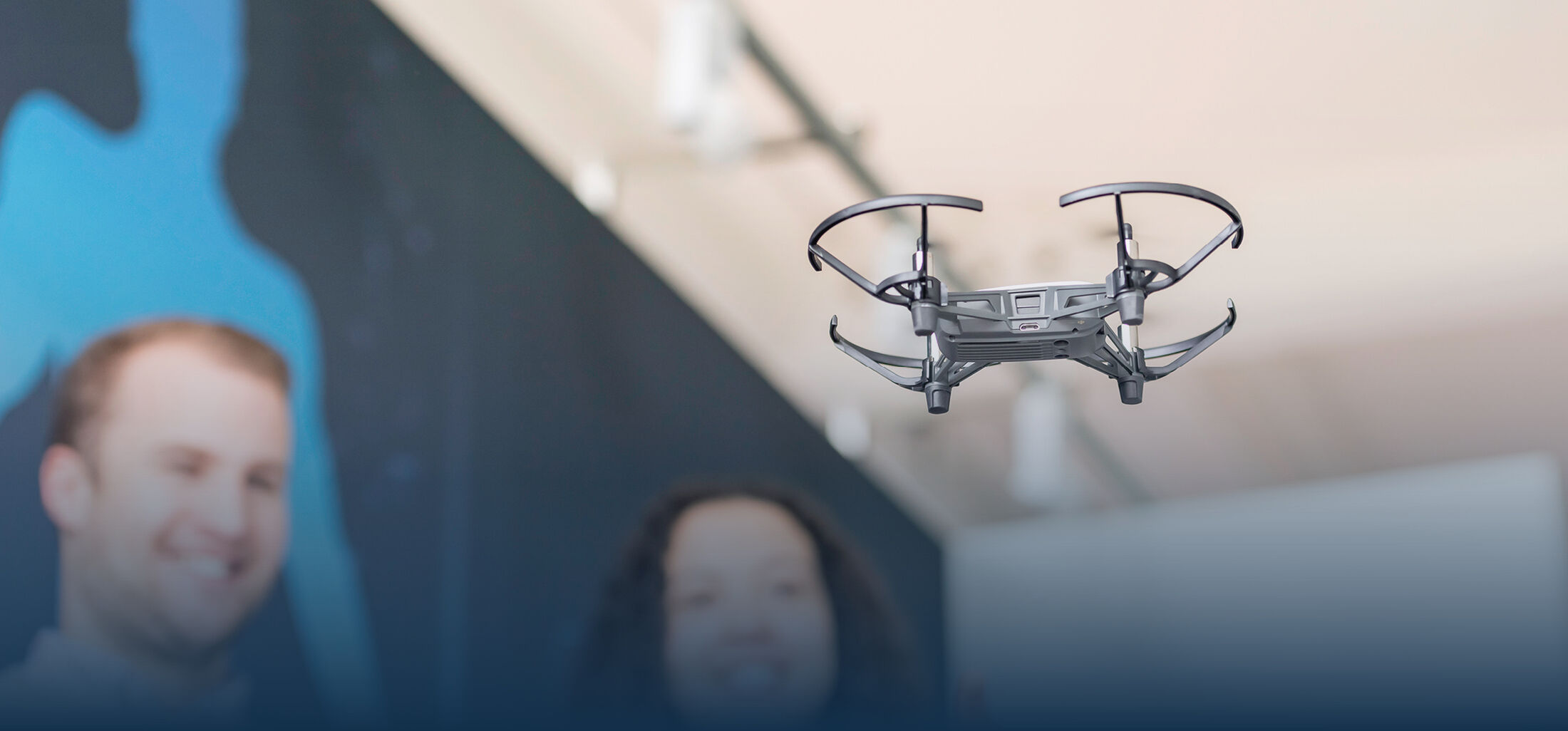
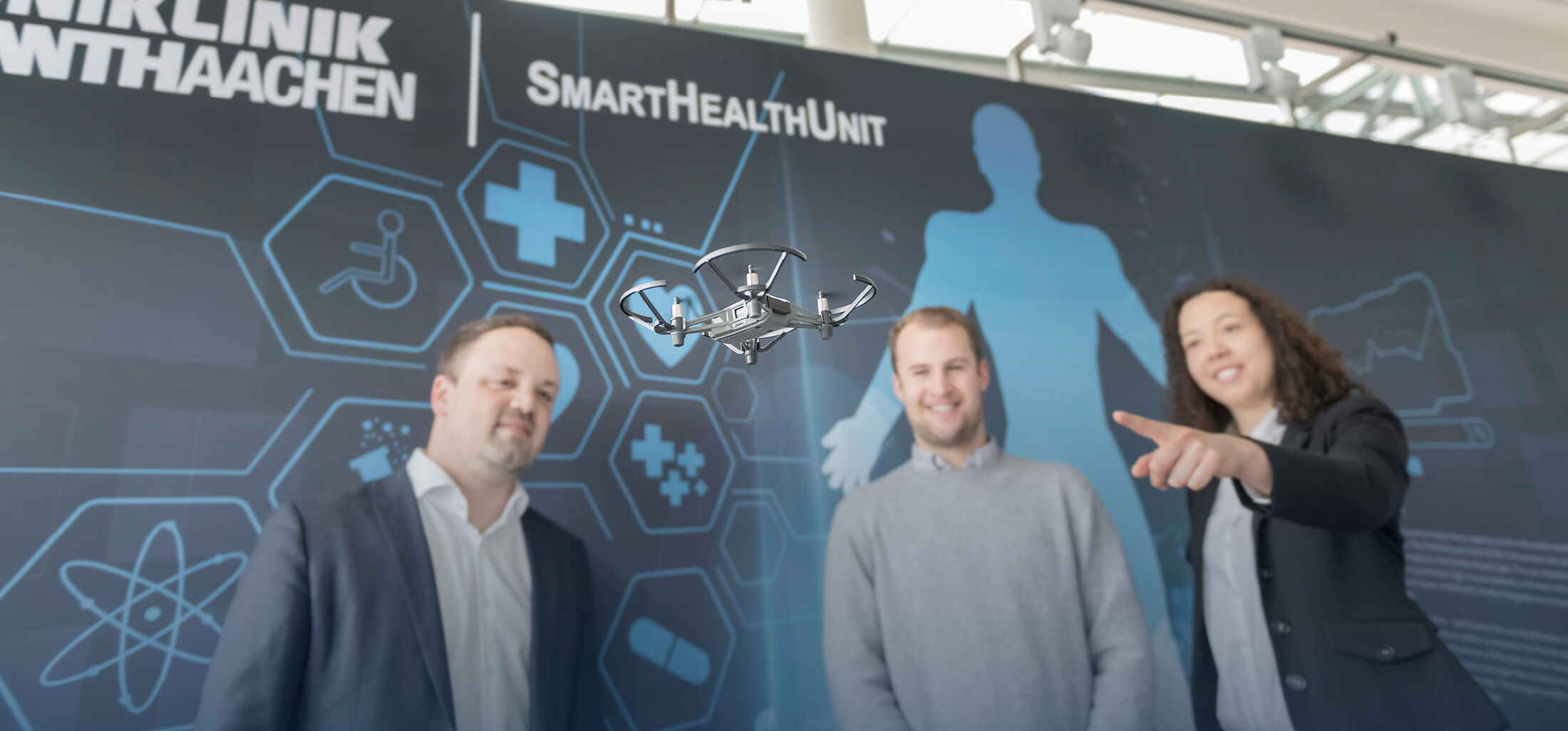
- Sensor and Material Transport via Drones
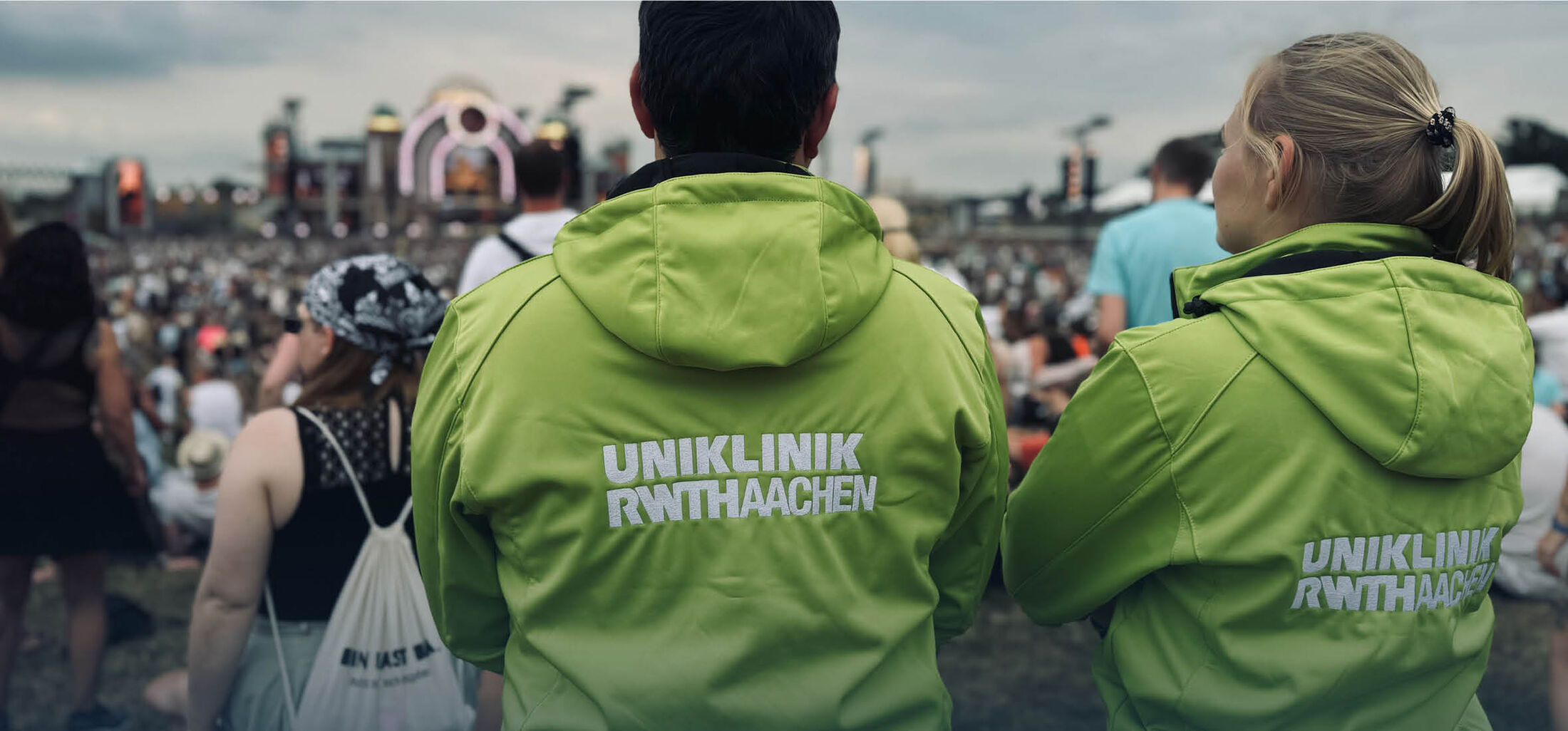
- Innovative Concepts for Safety at Major Events
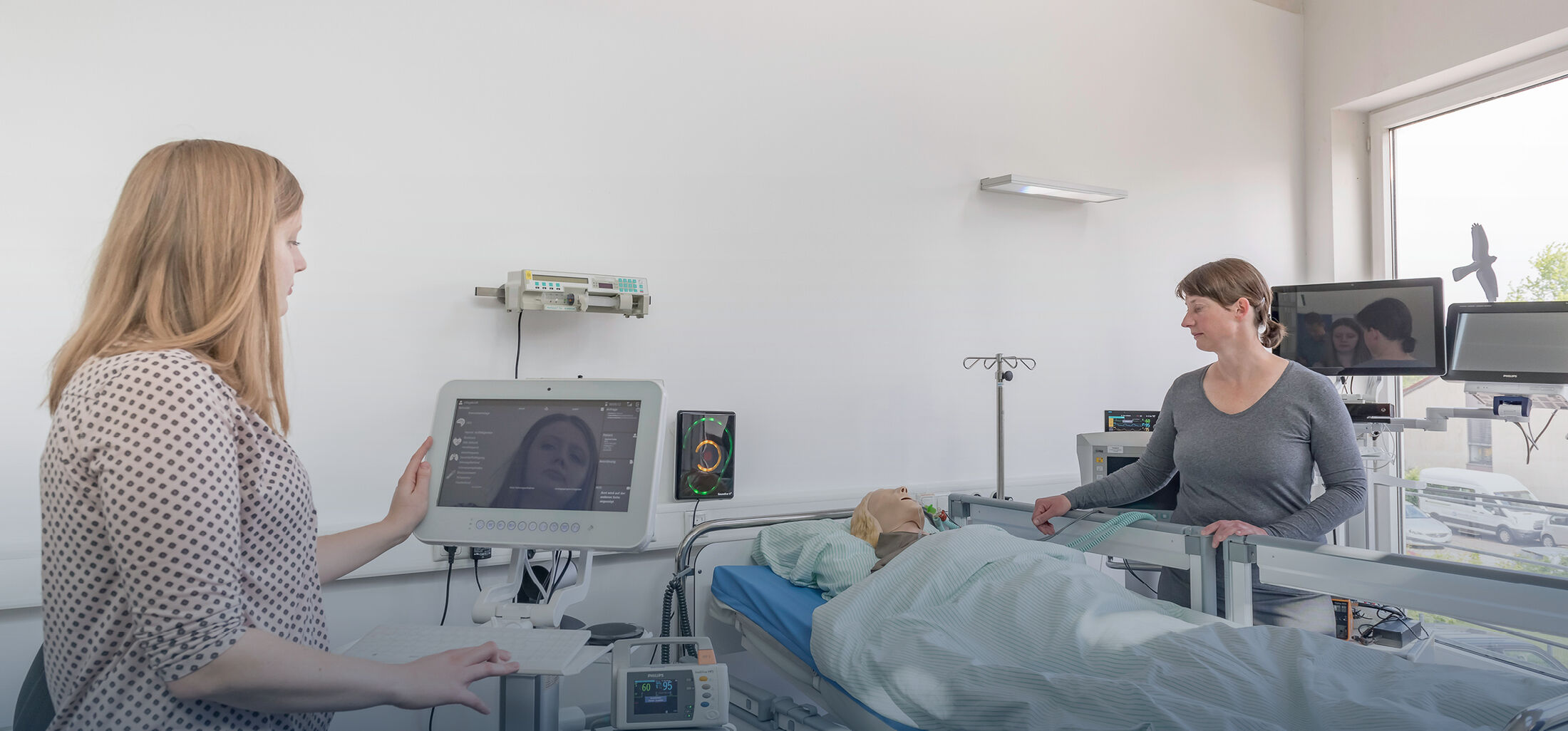
The AcuteCare InnovationHub is an interdisciplinary research unit within the Department of Anesthesiology at University Hospital RWTH Aachen. Serving as an interface between research and clinical practice, as well as between academia and industry, we accelerate the translation of innovative ideas into clinical application. Our agile, application-oriented approach enables seamless collaboration between researchers, developers, and end users—driving the rapid development of solutions for acute care medicine.
Our Focus: Two Core Fields of Innovation
1. Digital Anesthesia
We are developing forward-thinking approaches to revolutionize perioperative care. Key areas include:
- Perioperative Telemedicine: Enhancing patient care before, during, and after surgery.
- Contactless Vital Signs Monitoring: Accurate measurement and analysis of vital parameters without direct patient contact.
- Interoperability and Clinical Decision Support: Improving collaboration between medical systems in compliance with
the SDC IEEE 11073 standard, and supporting clinical decision-making through data analytics. - Smart Alerting: Reducing alarm fatigue and increasing patient safety through intelligent notification systems.
2. Digital Disaster Medicine
We develop cutting-edge technologies for civil protection and disaster response, enabling faster and more efficient action in emergency situations. Key areas include:
- Telemedicine in Civil Protection and Disaster Response: Supporting medical care in hard-to-reach locations and compensating for limited on-site medical resources.
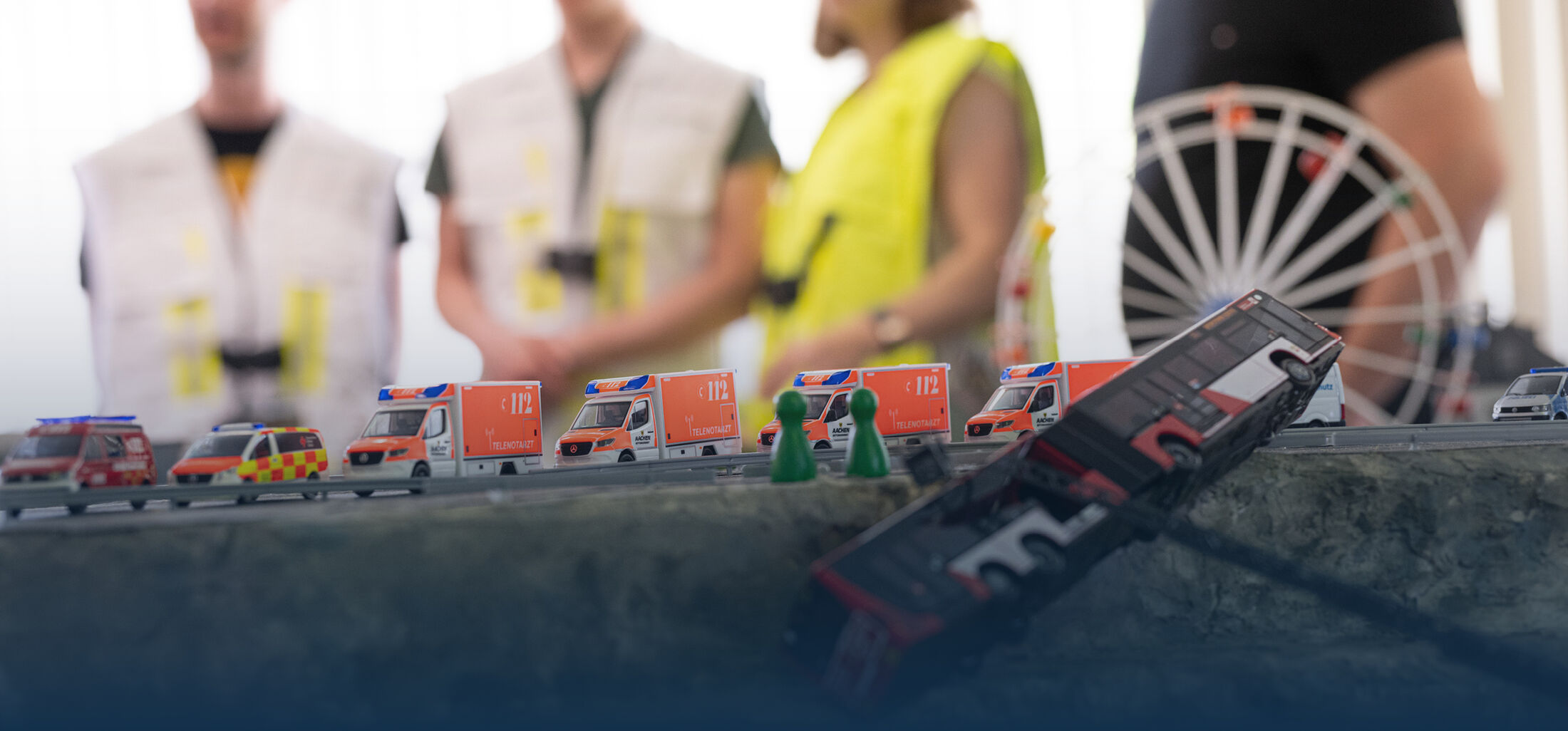
- Technical Triage Support: Efficient prioritization and treatment of patients during mass casualty incidents.
- Sensor and Material Transport via Drones: Fast and reliable delivery of medical equipment and sensors to improve operational efficiency, reduce stockpiling needs, and maintain situational awareness.
- Safety at Major Events: Innovative concepts for risk reduction and protection of participants at large public gatherings.
A Toolbox of Modern Methods
Our research projects are grounded in state-of-the-art technologies and methodologies, including:
- Telemedicine
- Smart Sensor Technologies
- Data Science and Artificial Intelligence (AI)
- Decision Support
- Unmanned Systems (Drones, Robotics)
- Augmented Reality (AR) and Virtual Reality (VR)
Engineers, computer scientists, medical professionals, and researchers from various disciplines work together in an interprofessional setting. With our projects, we are charting new paths in acute care medicine—contributing to the optimal use of healthcare system resources.
News
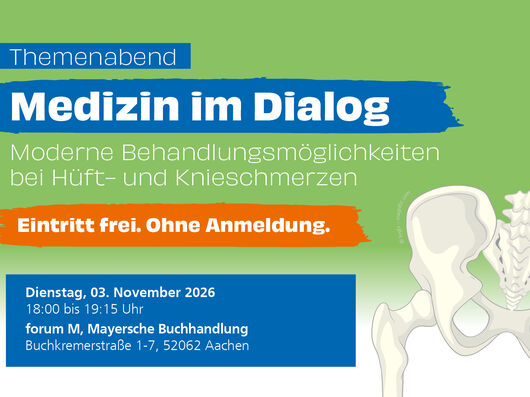
Medizin im Dialog: Moderne Behandlungsmöglichkeiten bei Hüft- und Knieschmerzen
Wenn jeder Schritt schmerzt, die Treppe zur Herausforderung wird oder längere Spaziergänge kaum noch möglich sind, leidet häufig auch die Lebensqualität. Doch welche Ursachen stecken hinter Hüft- und…

Medientipp: Werden wir bald alle 100 Jahre alt? – Prof. Wagner im Interview mit der Aachener Zeitung
Warum altern wir eigentlich? Welche Rolle spielen unsere Gene, und wie stark beeinflusst unser Lebensstil die Lebenserwartung? Mit diesen Fragen beschäftigt sich Univ.-Prof. Dr. med. Dr. rer. nat.…
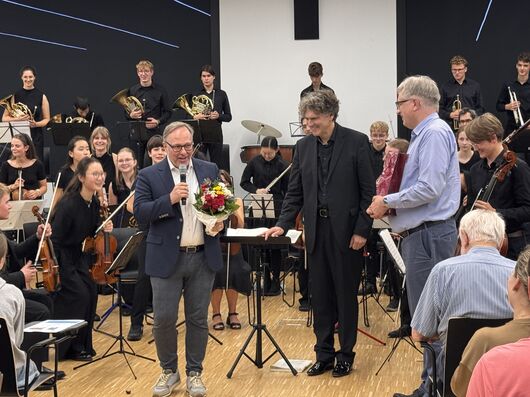
Benefizkonzert des Jugendsinfonieorchesters Aachen zugunsten des PalliA-Vereins
Am 30. September 2026 spielte das Jugendsinfonieorchester der Musikschule Aachen unter Leitung von Alexander Scherf ein Benefizkonzert zugunsten des PalliA-Vereins.
Mit Werken von Franz Schubert,…

Rund 5,5 Millionen Euro Förderung für Zukunftsprojekte an der Uniklinik RWTH Aachen
Die Uniklinik RWTH Aachen erhält im Rahmen des Förderprogramms „Modernisierung und Digitalisierung der Krankenhausinfrastruktur – Förderung investiver Ausstattung“ rund 5,5 Millionen Euro zur…
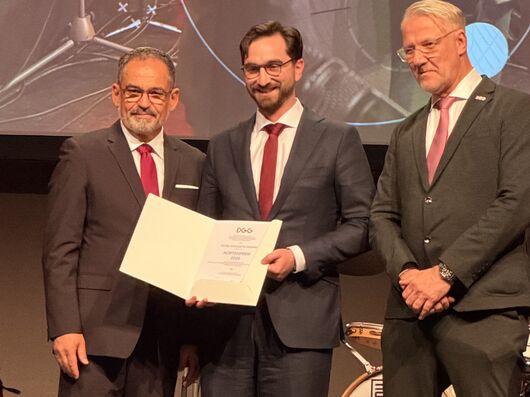
Aortenpreis 2026 für Priv.-Doz. Dr. med. Panagiotis Doukas
Priv.-Doz. Dr. med. Panagiotis Doukas aus der Klinik für Gefäßchirurgie an der Uniklinik RWTH Aachen wurde im Rahmen der 42. Jahrestagung der Deutschen Gesellschaft für Gefäßchirurgie und Gefäßmedizin…
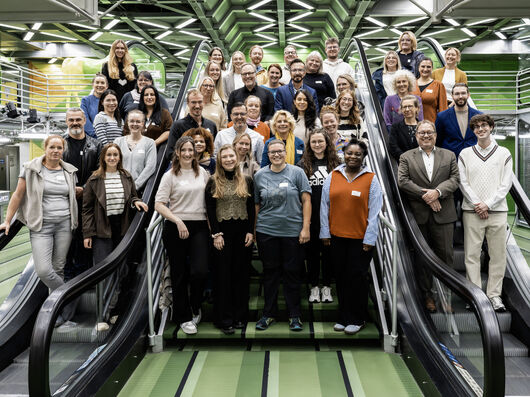
35 Pflegekräfte starten in den berufsbegleitenden Bachelor-Studiengang „Klinische Pflegepraxis“
Die Nachfrage war groß: Am 19. Oktober starteten 35 Studierende offiziell in das Wintersemester 2026/2027. Als erster Pflegestudiengang dieser Art in Aachen schafft das Angebot neue Perspektiven für…
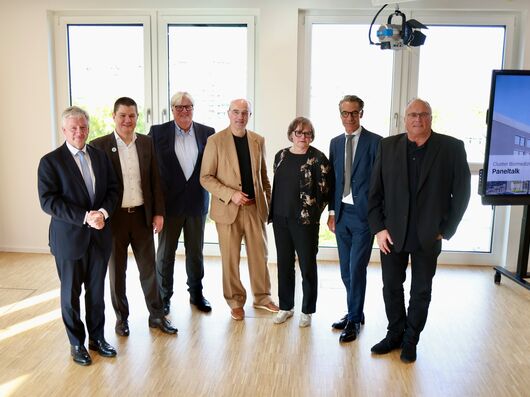
Wo Pflegekräfte und Hebammen lernen und digitale Medizin entsteht
Erfolgreiches erstes Jahr für den zweiten Bauabschnitt des Clusters Biomedizintechnik auf dem Campus Melaten
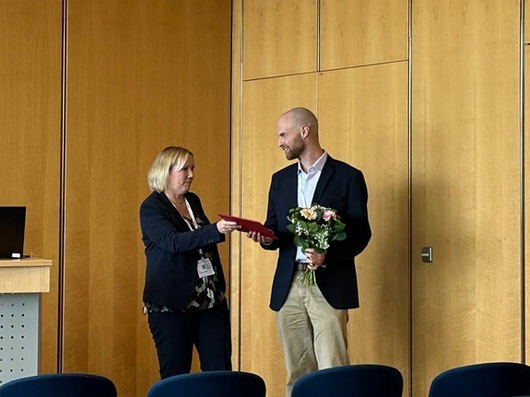
Julius Thiebes mit zwei Nachwuchspreisen in der Nephrologie ausgezeichnet
Julius Thiebes, Doktorand in der Arbeitsgruppe von Univ.-Prof. Dr. med. Rafael Kramann an der Uniklinik RWTH Aachen, hat für sein Promotionsprojekt „Identifikation und funktionelle Charakterisierung…

Rekrutierung für PREFer-Studie am CIO Aachen gestartet
Am Centrum für Integrierte Onkologie (CIO) Aachen ist die Rekrutierung für die PREFer-Studie gestartet. In der Phase-II-Studie wird der Einsatz einer Anti-PD-1-Antikörpertherapie in Kombination mit…
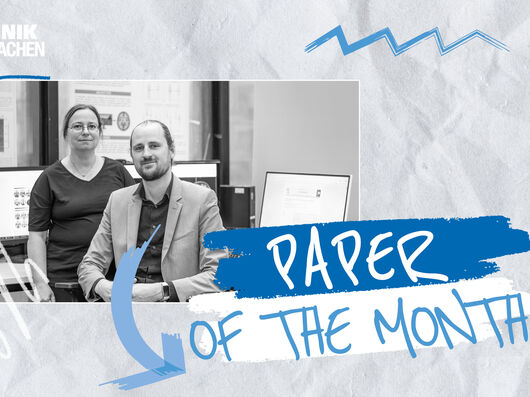
Paper of the Month: Award Recipients Robert Friedmann, Dr. Rea Rodriguez-Raecke, and Dr. Rik Sijben
This study investigated how distraction during eating affects taste perception in the brain. Robert Friedmann, Dr. Rea Rodriguez-Raecke and Dr. Rik Sijben found that while flavors were perceived as…
14.10.2026 – Alison Wiesehahn successfully finished her MD thesis.
Today our former doctoral student Alison Wiesehahn successfully passed her oral examination (Dr. med.). Her dissertation is entitled „The role of Prenylcysteine Oxidase 1-like in the Assembly of…
Einblicke in das Leben mit Seltenen Erkrankungen: Ausstellung „Selten allein“ in Aachen
Seltene Erkrankungen betreffen Millionen von Menschen, sind in der Öffentlichkeit jedoch häufig kaum sichtbar. Die Ausstellung „Selten allein“ möchte das ändern und lädt Interessierte dazu ein, die…


![[Translate to Englisch:] © Yakobchuk Olena - stock.adobe.com](/fileadmin/files/_processed_/c/c/csm_AdobeStock_236323689_Yakobchuk_Olena_8059d10bcc.jpeg "[Translate to Englisch:] © Yakobchuk Olena - stock.adobe.com")