


SmartHealthUnit
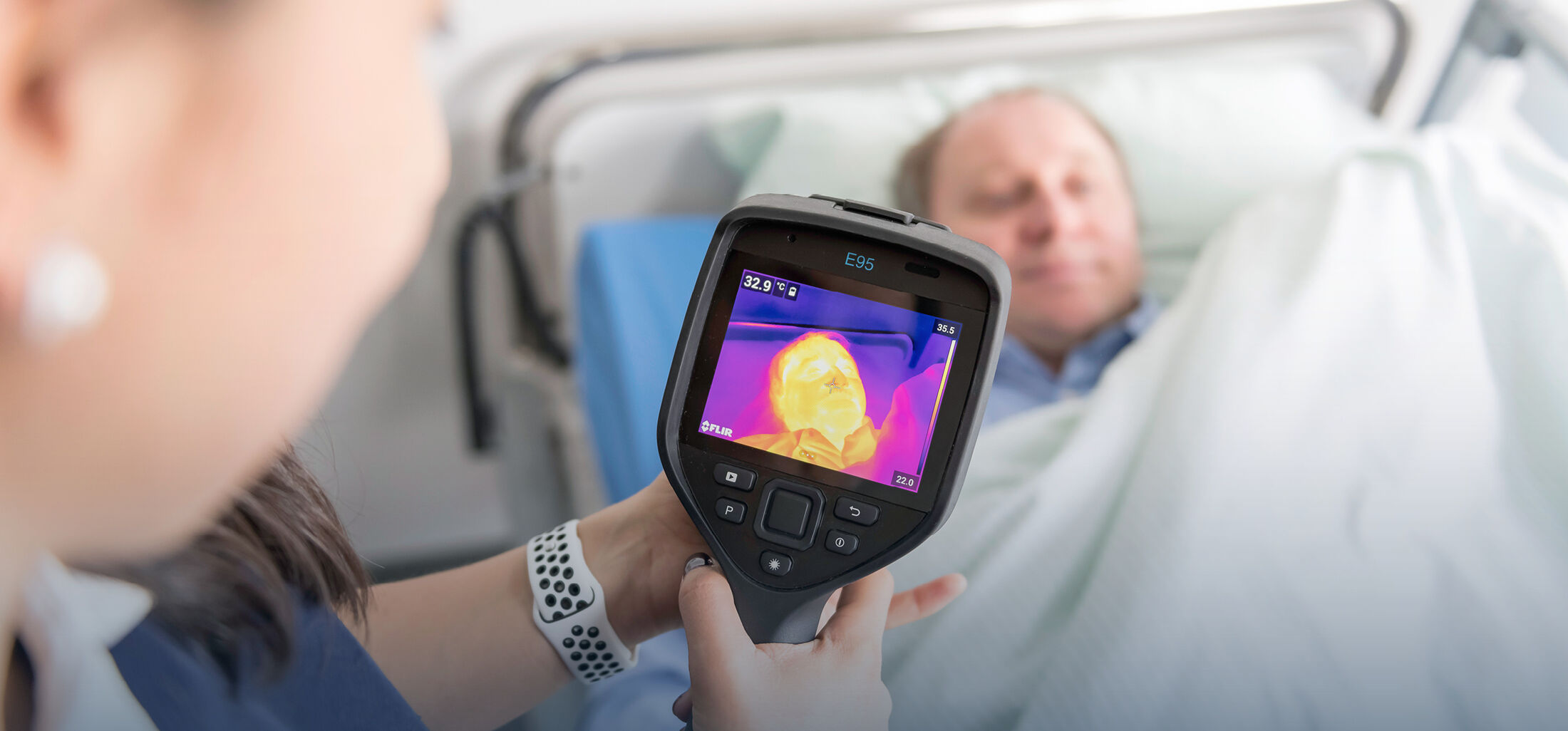
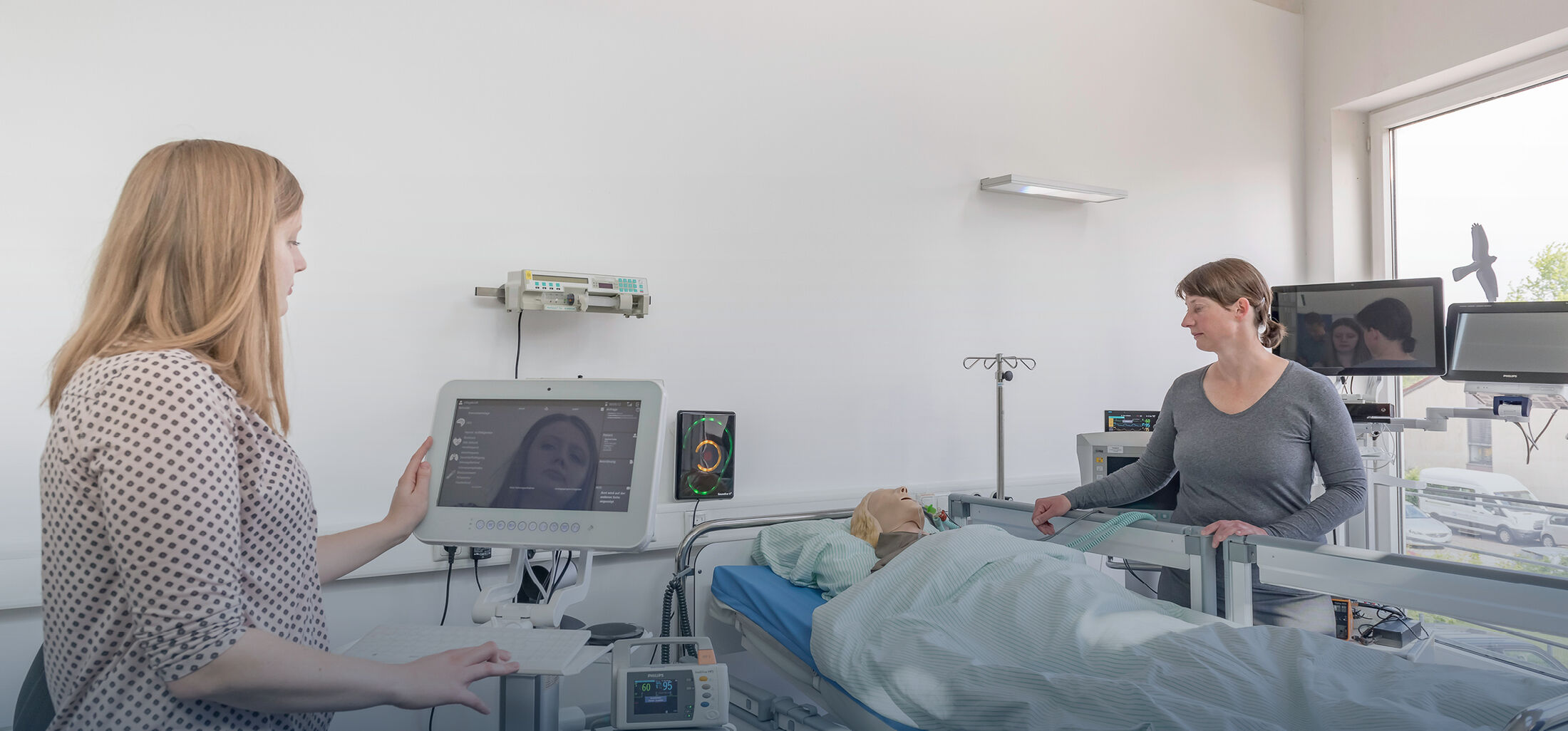
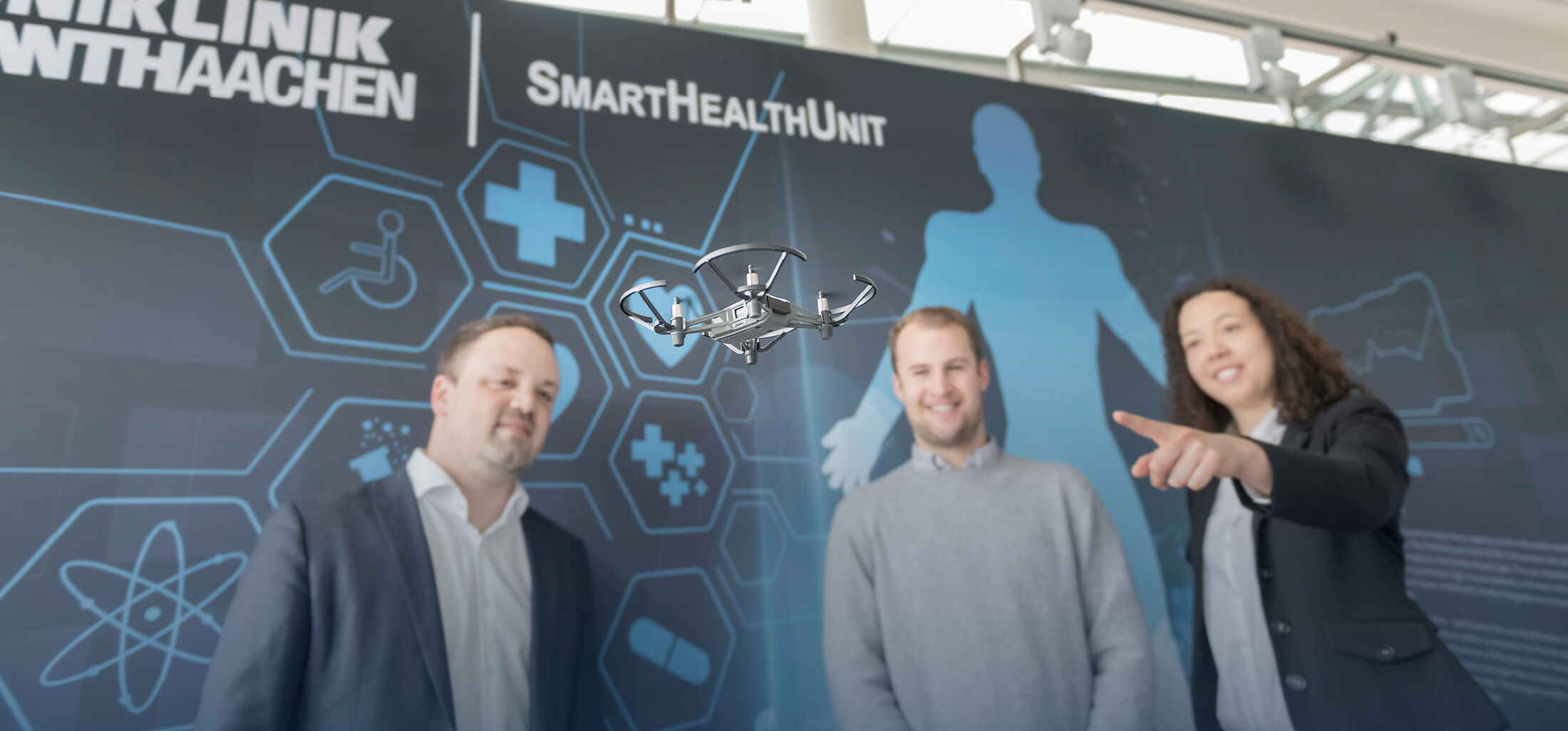
The SmartHealthUnit of the AcuteCare InnovationHub is an independent “showroom” covering an area of 30 m² and makes modern medical technology tangible. Various demonstrators are available here that showcase the interoperability of different medical devices and indicate new paths in Medicine 4.0.
Consisting of an electric hospital bed with a technically equipped “dummy” patient, the SmartHealthUnit offers a good opportunity for sponsors to integrate and present their medical devices. Within a short time, the scenario can be visually adapted to an intensive care unit, home care (nursing home), or the technical setup of other areas of acute care (recovery room, general ward). A dedicated event space is available and also serves as a “brain lab” for interdisciplinary and interprofessional workshops.
The SmartHealthUnit is also regularly used for teaching as part of the qualification profile “Innovative Medical Technology in Anesthesiology” for medical students. Of course, the SmartHealthUnit can be visited by prior arrangement.
![[Translate to Englisch:] DisasterMedicineArea](/fileadmin/files/_processed_/d/6/csm_DIMED_Text-Header_6431ed3181.jpg)
DisasterMedicineArea
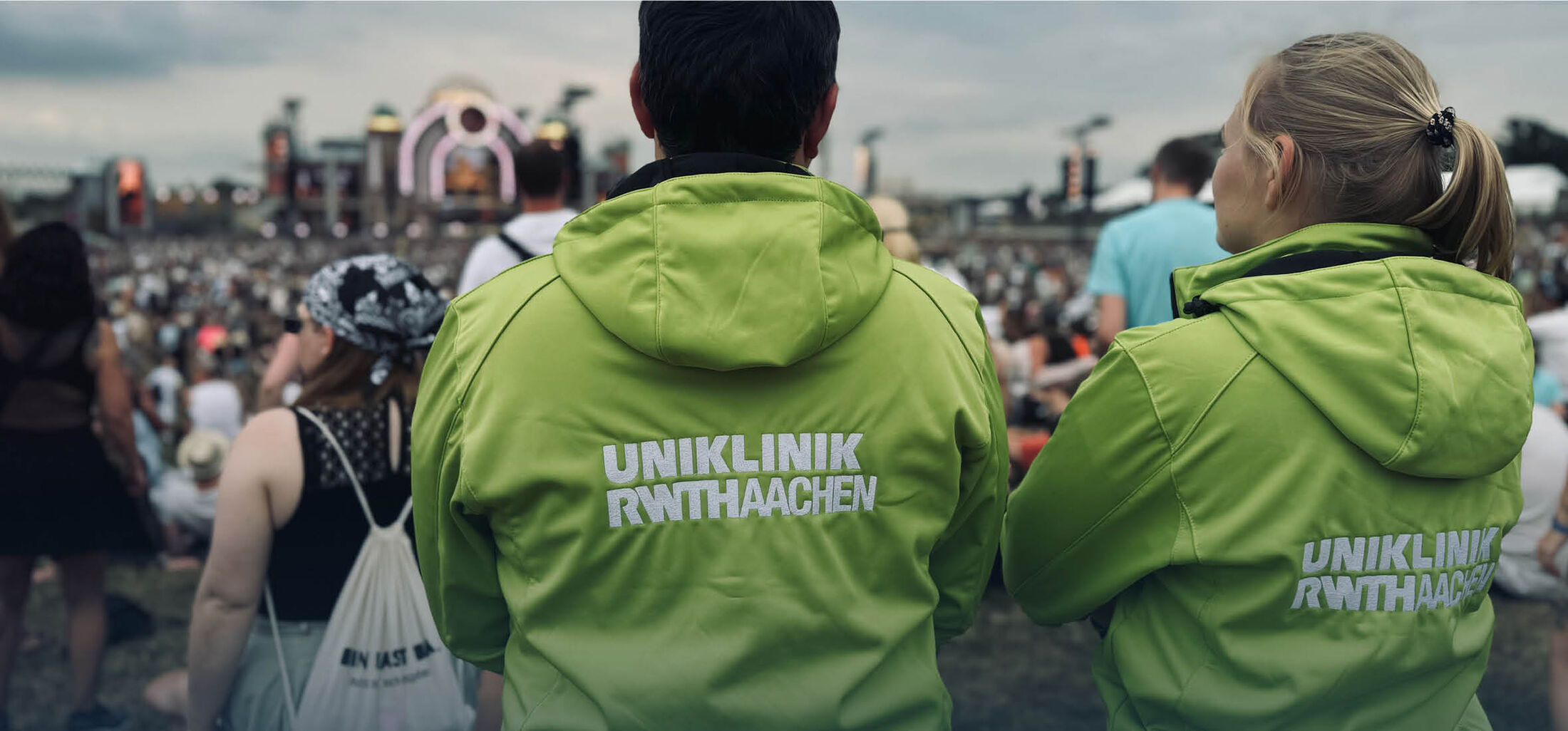
The DisasterMedicineArea of the AcuteCare InnovationHub combines rudimentary concepts of disaster medicine with new technological ideas intended to support the work of civil protection emergency responders.
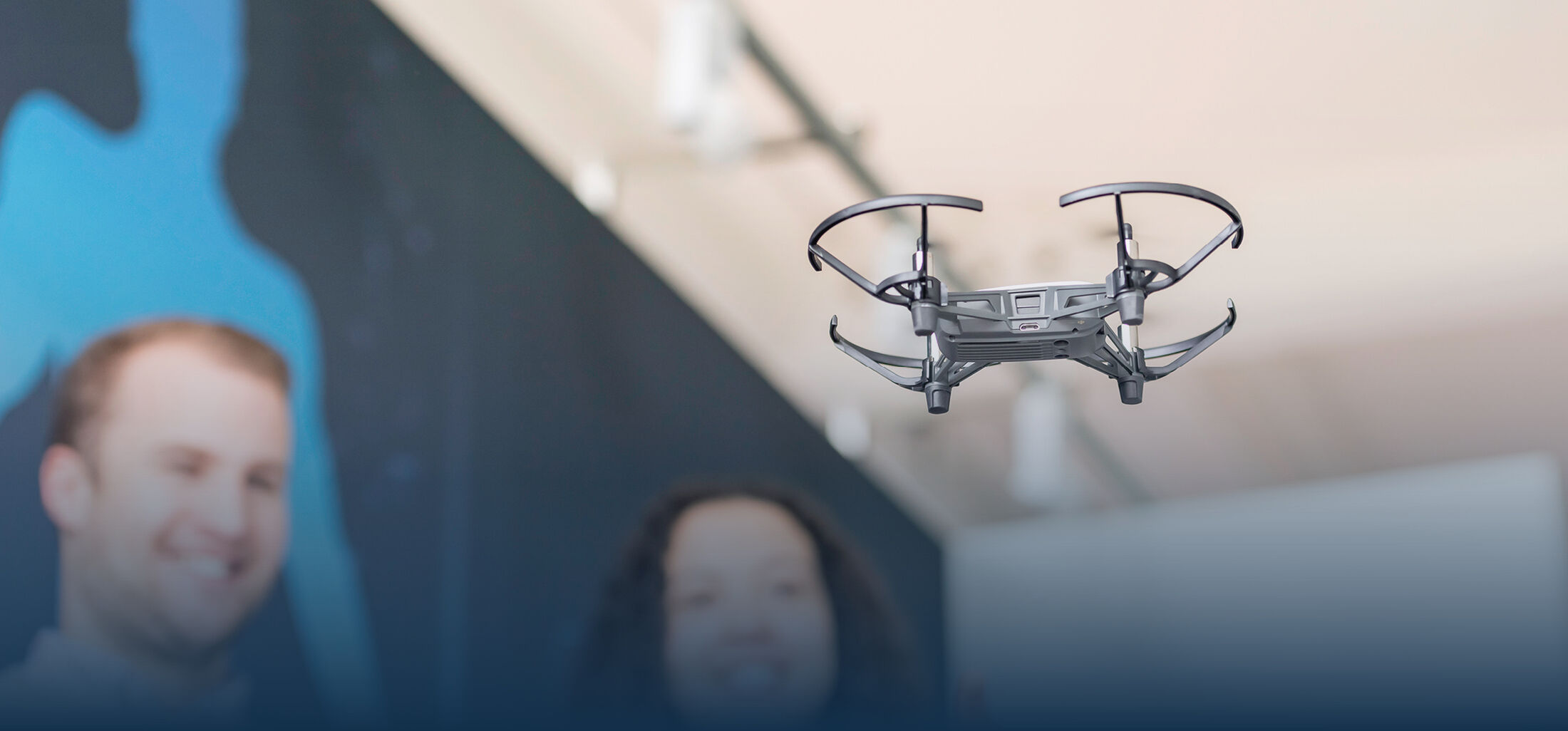
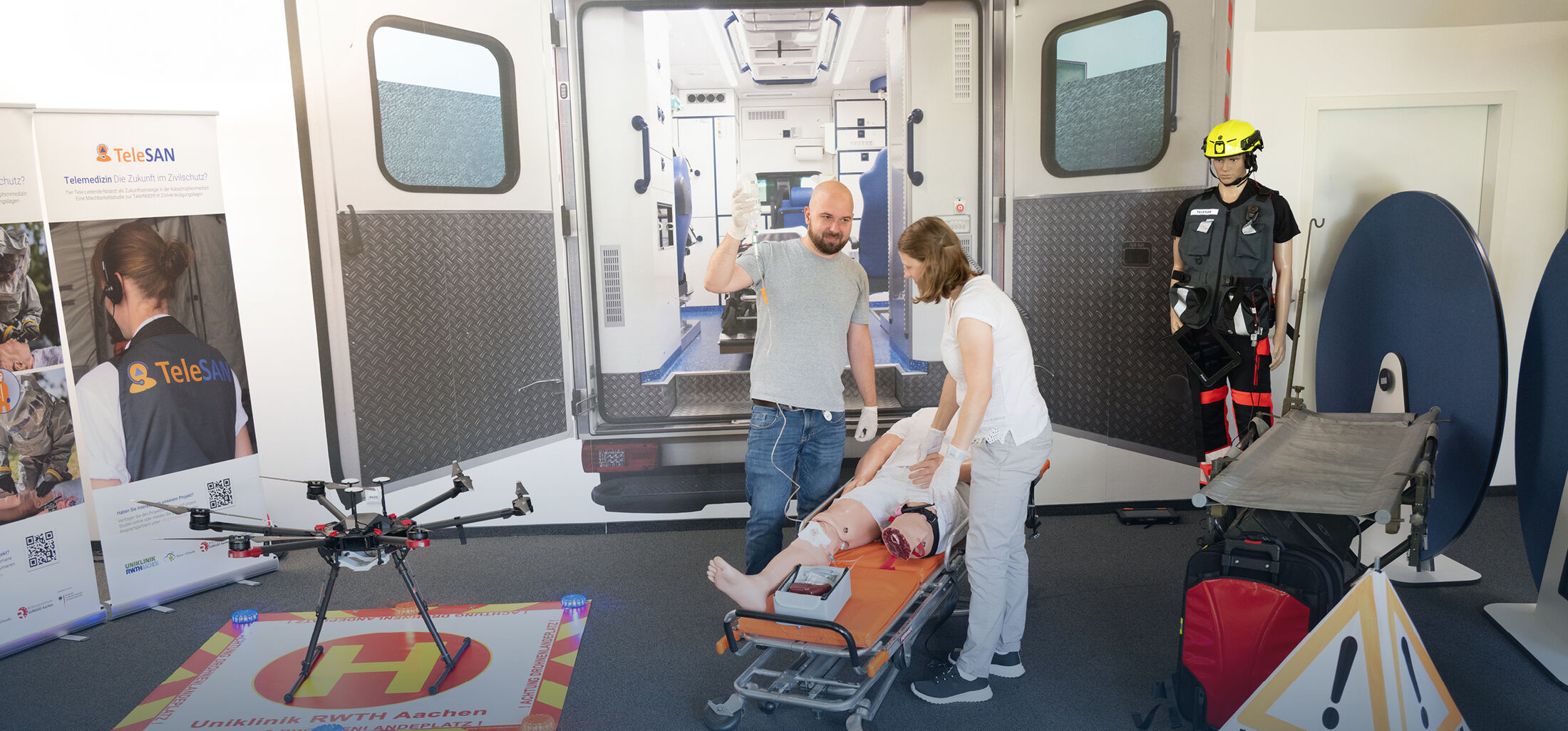
On-site, visitors will find four areas focused on the topics of triage and situational awareness, medical care, and operational tactics and leadership. The drone at the scene can be used to collect vital signs from patients without physical contact and to assign a triage category. It can also be used to gain an overview of the incident site. In the treatment area, care under disaster medicine conditions—with and without technical support—can be practiced. Everything from the application of a tourniquet and establishment of an intraosseous access to intubation can be tested. Alternatives can also be explored, such as improvised pelvic slings or splints that reflect resource scarcity in disaster medicine.
Our TeleSAN unit is available next to the scenario and offers a fully equipped mobile vest that enables telemedicine. In addition to connecting the responder to a remote physician, medical devices such as a stethoscope and an ECG are also connected live. Alternatively, telemedicine can be conducted using smart glasses. The medical focus is complemented by a telemedicine booth in which patients can perform general practice teleconsultations using diagnostic devices. A possible use case is after a natural disaster, such as flooding, in areas with destroyed infrastructure.
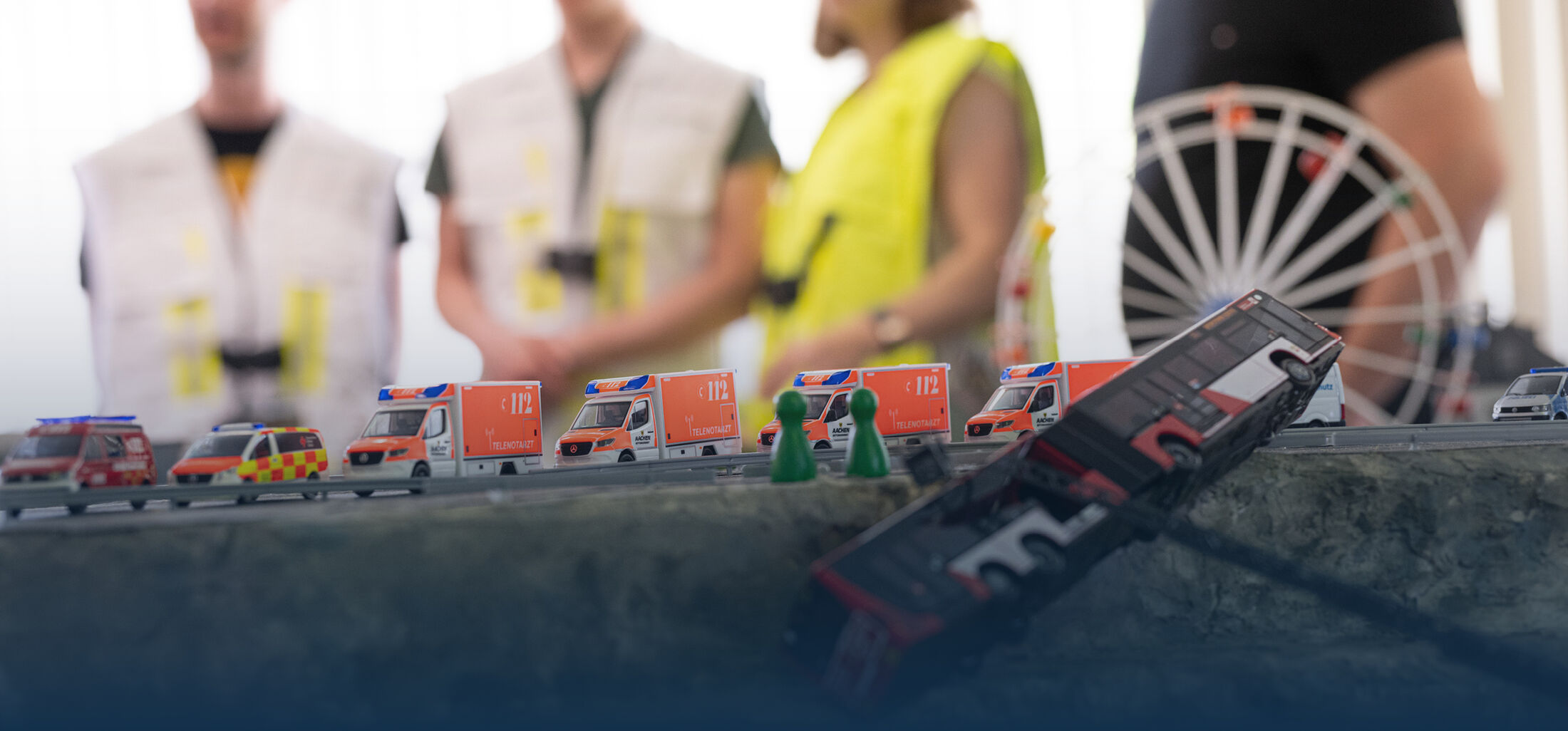
In the thematic area of operational tactics and leadership, visitors have the opportunity to work through scenarios on a tabletop simulation in a model environment, considering the positioning of vehicles, casualty collection points, treatment areas, loading zones, emergency vehicle staging areas, and care stations. Where should I position my own emergency vehicle? How many emergency vehicles and responders do I need in a mass casualty incident? And who is actually in charge of whom?

