



Institute of Neuroanatomy
The Institute of Neuroanatomy was founded in 2005 by Univ.-Prof. Dr. Cordian Beyer and is part of the Institute of Anatomy.
Since January 2026, the direction of the Instiute was taken over by Univ.-Prof. Dr. Alberto Catanese, who investigates the cellular and molecular mechanisms that drive neurodegeneration, with a strong emphasis on motoneuron diseases. The lab’s overarching goal is to understand how early and often subtle disturbances in neuronal homeostasis progress toward synaptic failure, network dysfunction, and ultimately neuronal loss, and how these processes may be targeted for therapeutic intervention.
A defining feature of the lab is its extensive use of human induced pluripotent stem cell (hiPSC)–based models. By differentiating hiPSCs into disease-relevant neuronal and glial cell types, as well as organoids and assembloids, the lab seeks to capture key aspects of human neurodegenerative disorders that are difficult to model in non-human systems. These platforms enable the study of patient-specific genetic backgrounds, while the use of isogenic controls allows precise dissection of disease-associated molecular pathways. hiPSC-derived neurons are used to investigate synaptic development, maintenance, and degeneration, with particular attention to early pathogenic events that precede overt cell death.
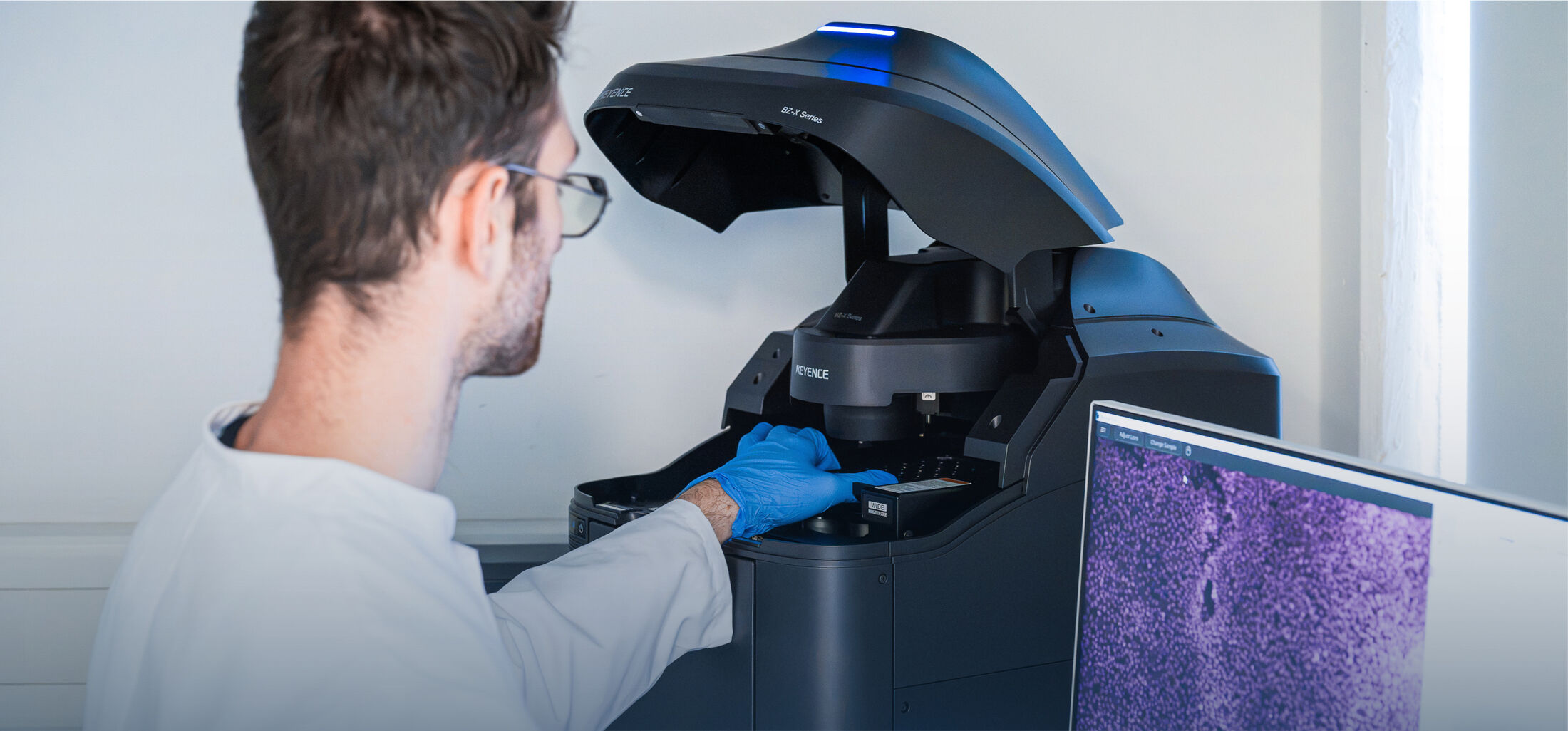
Building on scientific roots established in Ulm and Freiburg, the lab integrates advanced molecular and cellular approaches to study neuronal vulnerability. Research focuses on pathways governing intracellular trafficking, cytoskeletal organization, proteostasis, and stress responses, all of which are critical for long-lived cells such as neurons. Disruptions in these processes are examined in hiPSC-derived neuronal models using a combination of imaging-based assays, biochemical analyses, functional readouts of neuronal activity, as well as multi-omics approaches combined with post mortem and biofluid samples. This integrative strategies allow the lab to link molecular alterations directly to functional consequences of neuronal degeneration.
The goal of the Catanese lab now based in Aachen is to further develop interdisciplinary strategies that bridge basic neuroscience and translational research. hiPSC-based models are complemented by experimental paradigms designed to probe neuronal resilience, compensation, and failure over time. Rather than viewing neurodegeneration as a single catastrophic event, the lab conceptualizes it as a dynamic, multistep process in which neurons initially adapt to stress but gradually lose their capacity to maintain homeostasis. Understanding why and when these compensatory mechanisms collapse is a central focus of ongoing work.
Overall, the laboratory of Prof. Alberto Catanese represents a research environment dedicated to uncovering fundamental principles of neurodegeneration through human-relevant models, conceptual integration, and translational relevance to the clinic. By focusing on early disease mechanisms and leveraging hiPSC technology, the lab aims to contribute to a deeper understanding of neurodegenerative disorders and to support the development of more effective intervention strategies.