



SD-Projects
The Effect of Systemic Diseases on Periodontal Remodeling
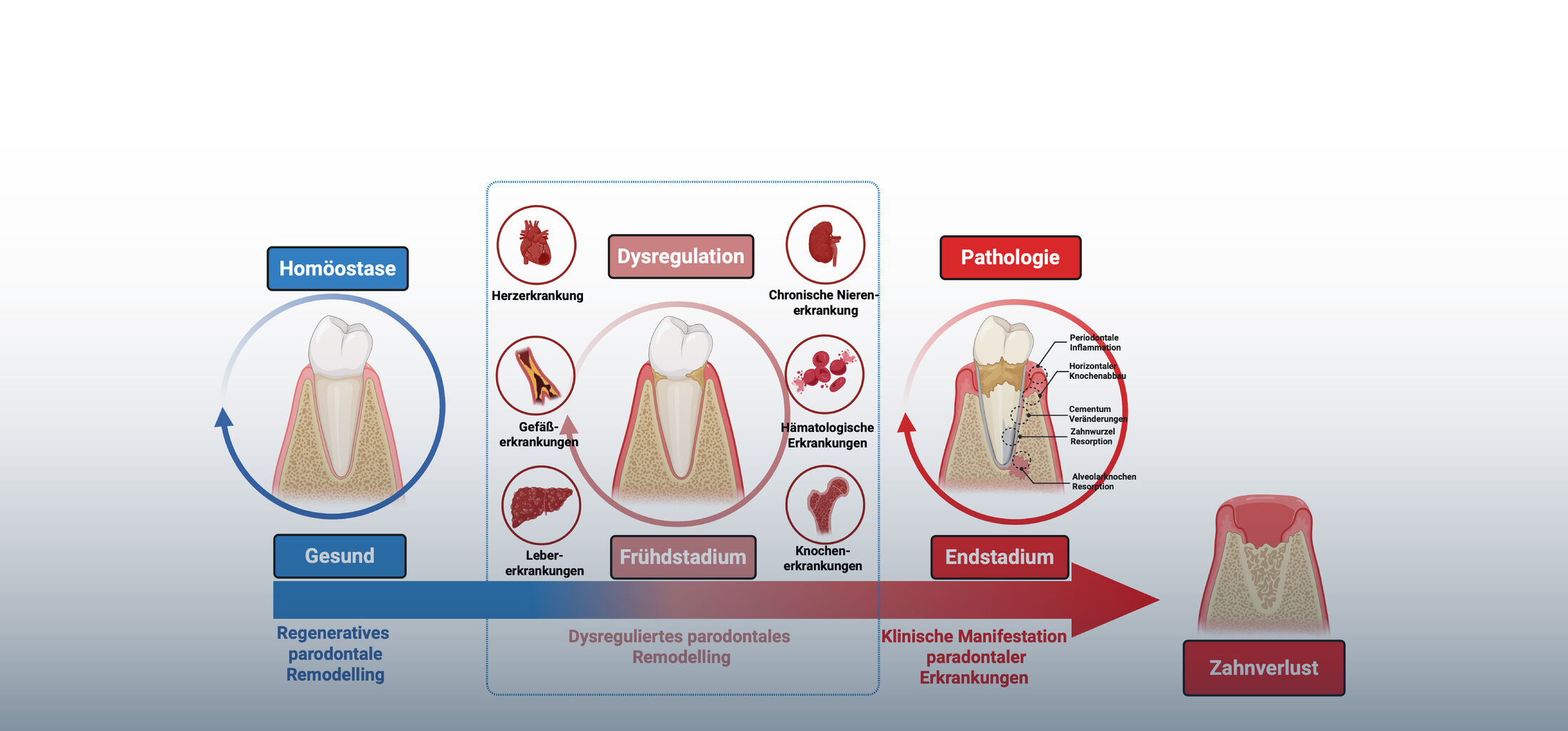
The SD research area investigates how chronic systemic diseases affect the structure, function, and regenerative capacity of the periodontium.
The focus is on diseases of high societal relevance, including chronic kidney disease, cardiovascular disease, heart failure, metabolic disorders, liver disease, and hematological disorders. These diseases lead to the release of numerous circulating mediators that can influence inflammatory processes, mineralization, stem cell functions, vascular integrity, and tissue homeostasis.
The goal of this research area is to identify the molecular mechanisms through which systemic diseases alter periodontal remodeling. This is intended to lead to the discovery of new biomarkers and therapeutic targets for the prevention and treatment of periodontal tissue damage.
Projects SD-01 through SD-09 investigate different clinical conditions and their effects on the periodontium. Together, they form the basis for a comprehensive understanding of the systemic influence on oral health.
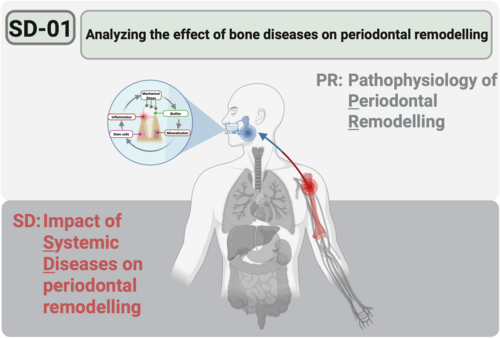
SD-01: Analysing the effect of bone disease on periodontal remodelling
Prof. Dr. med. dent. Christian Apel · Univ.-Prof. Dr. Elizabeth Rosado Balmayor · Prof. Dr. med. Dr. med. dent. Ali Modabber
Systemic bone diseases can significantly impair the regenerative capacity of the periodontium. This project investigates how changes in bone metabolism influence the interaction between alveolar bone and periodontal tissue. The goal is to identify the underlying mechanisms and develop new approaches to preserving periodontal tissue integrity.

Prof. Dr. med. dent. Christian Apel
Institute of Applied Medical Engineering, Center for Biohybrid Medical Systems – CBMS

Univ.-Prof. Dr. Elizabeth Rosado Balmayor
Department of Orthopedics, Trauma, and Reconstructive Surgery
Department of Experimental Orthopedics and Trauma Surgery (IKZ 951420)

Prof. Dr. med. Dr. med. dent. Ali Modabber, MBA, FEBOMFS
Department of oral and maxillofacial surgery
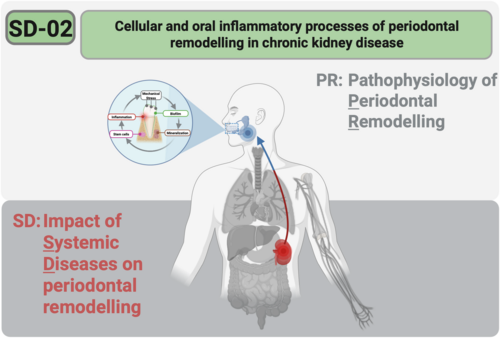
SD-02: Cellular and oral inflammatory processes of periodontal remodelling in chronic kidney disease
Univ.-Prof. Dr. rer. nat. Georg Conrads · Univ.-Prof. Dr. med. Christoph Kuppe, MHBA
Chronic kidney disease is often associated with changes in the oral microbiome and an impaired immune response. This project investigates the interactions between microbial factors, inflammatory processes, and periodontal tissue. The goal is to understand the mechanisms that contribute to accelerated tissue degeneration in kidney disease.

Univ.-Prof. Dr. rer. nat. Georg Conrads
Dental Conservation, Periodontology and Preventive Dentistry
Univ.-Prof. Dr. med. Christoph Kuppe, MHBA
Renal and Hypertensive Disorders, Rheumatological and Immunological Diseases (Medical Clinic II)
- Klomp, T., Braun, A., & Conrads, G. (2026). The Role of Porphyromonas gingivalis Lipopolysaccharide (PG-LPS) in Advanced Periodontitis—A Scoping Review. Antibiotics, 15(9), 886. https://doi.org/10.3390/antibiotics15090886
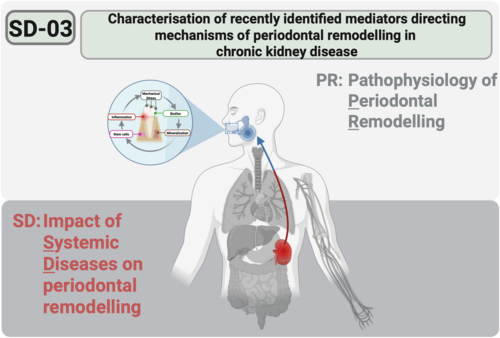
SD-03: Characterisation of recently identified mediators directing mechanisms of periodontal remodelling in chronic kidney disease
Univ.-Prof. Dr. rer. nat. Joachim Jankowski · Univ.-Prof. Dr. med. dent. Michael Wolf, M.Sc.
Chronic kidney disease leads to the release of numerous circulating factors that exert effects far beyond the kidney. This project investigates newly identified mediators that influence the regeneration and stability of the periodontium. The goal is to elucidate the underlying molecular mechanisms and identify new diagnostic and therapeutic targets.
Univ.-Prof. Dr. rer. nat. Joachim Jankowski
Institute of Molecular Cardiovascular Research (IMCAR)

Univ.-Prof. Dr. med. dent. Michael Wolf, M.Sc.
Orthodontic Clinic
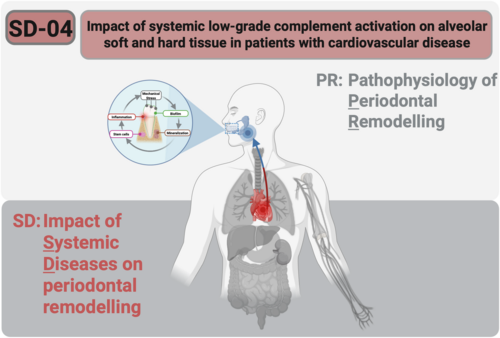
SD-04: Impact of systemic low-grade complement activation on alveolar soft and hard tissue in patients with cardiovascular disease
Dr. med. dent. Jaana-Sophia Kern · Prof. Dr. med. Katharina Marx-Schütt
Patients with cardiovascular diseases often exhibit chronic inflammatory responses that affect various organs. This project investigates the role of the complement system in changes to the soft and hard tissues of the periodontium. The goal is to uncover new links between vascular diseases and periodontal tissue degeneration.

Dr. med. dent. Jaana-Sophia Kern, M.Sc.
Dental Prosthetics and Biomaterials, Implantology Centre
Prof. Dr. med. Katharina Marx-Schütt
Cardiology, Pneumology, Angiology and Internal Intensive Medicine (Medical Clinic I)
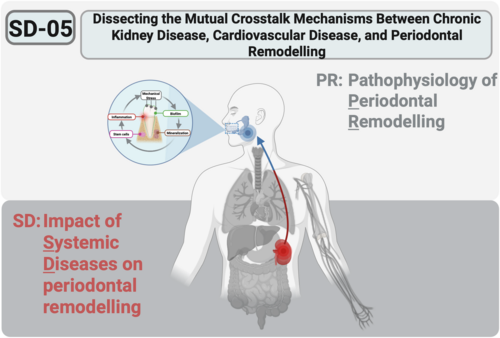
SD-05: Dissecting the mechanisms linking chronic kidney disease, cardiovascular disease, and periodontal remodelling
Priv.-Doz. Dr. med. dent. Isabel Knaup · Univ.-Prof. Dr. med. Rafael Kramann
Chronic kidney and cardiovascular diseases often occur together and affect similar biological signaling pathways. This project investigates how these diseases alter the regeneration and homeostasis of the periodontium. The goal is to identify common molecular mechanisms and understand their role in periodontal remodeling.

Priv.-Doz. Dr. med. dent. Isabel Knaup
Orthodontic Clinic
Univ.-Prof. Dr. med. Rafael Kramann
Renal and Hypertensive Disorders, Rheumatological and Immunological Diseases (Medical Clinic II)
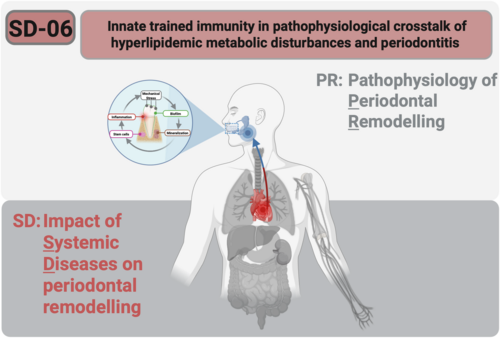
SD-06: Innate trained immunity in the pathophysiological crosstalk of hyperlipidemic metabolic disturbances and periodontitis
apl.-Prof. Heidi Noels, PhD · Priv.-Doz. Dr. med. Ulrike Schulze-Späte
Disorders of lipid metabolism can alter the innate immune system over the long term and exacerbate inflammatory responses. This project investigates the influence of this so-called “trained immunity” on the development and progression of periodontal diseases. The goal is to identify new therapeutic targets at the intersection of metabolism and the immune response.

apl.-Prof. Heidi Noels, PhD
Institute of Molecular Cardiovascular Research (IMCAR)

Priv.-Doz. Dr. med. Ulrike Schulze-Späte
Department of Restorative Dentistry and Periodontology, University Hospital Jena
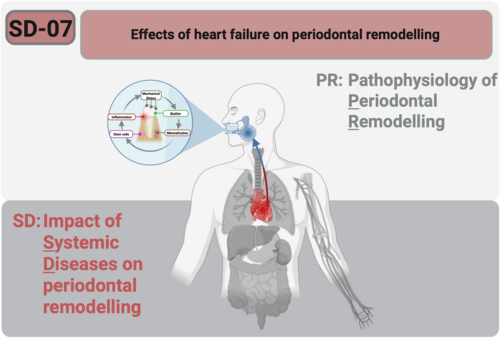
SD-07: Effects of heart failure on periodontal remodelling
Univ.-Prof. Dr. med. Nikolaus Marx · Dr. rer. nat. Marta Rizk
Heart failure affects numerous biological processes that are important for tissue homeostasis. This project investigates the effects of impaired cardiac function on the alveolar bone, periodontal ligament, and gingiva. The goal is to understand the mechanisms by which heart failure contributes to periodontal tissue degeneration.
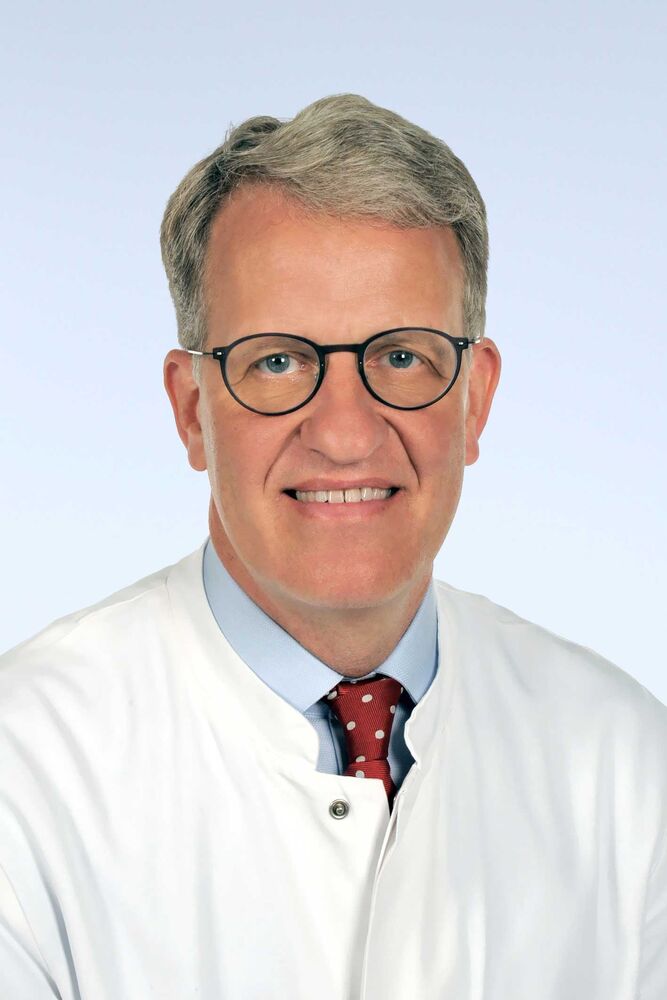
Univ.-Prof. Dr. med. Nikolaus Marx
Cardiology, Pneumology, Angiology and Internal Intensive Medicine (Medical Clinic I)

Dr. rer. nat. Marta Rizk
Orthodontic Clinic
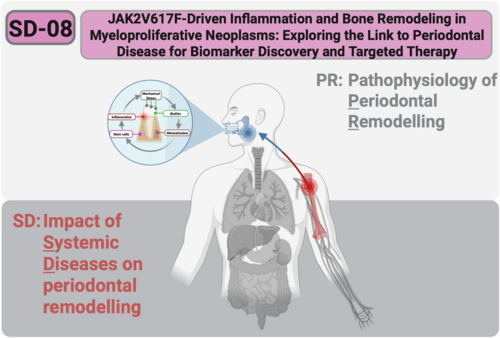
SD-08: JAK2V617F-Driven Inflammation and Bone Remodelling in Myeloproliferative Neoplasms: Exploring the Link to Periodontal Disease for Biomarker Discovery and Targeted Therapy
Rebekka Schneider-Kramann, MD, PhD · Univ.-Prof. Dr. med. dent. Michael Wolf, M.Sc.
Myeloproliferative neoplasms are blood cancers associated with chronic inflammatory reactions and changes in bone metabolism. This project investigates their effects on the periodontium and the alveolar bone. The goal is to identify new biomarkers and potential therapeutic targets.

Rebekka Schneider-Kramann, MD, PhD
Institute of Cell and Tumor Biology
Univ.-Prof. Dr. med. dent. Michael Wolf, M.Sc.
Orthodontic Clinic
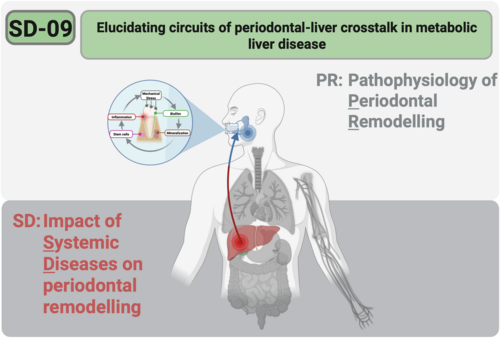
SD-09: Elucidating circuits of periodontal-liver crosstalk in metabolic liver disease
Prof. Dr. med. Dr. rer. nat. Kai Markus Schneider · Univ.-Prof. Dr. med. dent. Stefan Wolfart
Liver diseases affect key metabolic and inflammatory processes in the body. This project investigates how these systemic changes influence the stability and regeneration of the periodontium. The goal is to better understand the molecular signaling pathways between the liver and the periodontium.
Prof. Dr. med. Dr. rer. nat. Kai Markus Schneider
Gastroenterology, Metabolic Disorders and Internal Intensive Medicine (Medical Clinic III)
Univ.-Prof. Dr. med. dent. Stefan Wolfart
Dental Prosthetics and Biomaterials, Implantology Centre
PR-Projects
Pathophysiology of Periodontal Remodeling
The PR Research area focuses on the fundamental biological mechanisms that govern periodontal remodeling.
The periodontium is a highly dynamic tissue whose stability depends on a complex interplay of mineralization, mechanical stress, inflammation regulation, microbial communities, and stem cell activity. Changes in these processes can lead to tissue degradation, alveolar bone loss, and ultimately tooth loss.
The projects in the PR research area investigate the cellular and molecular basis of these processes and analyze how they are influenced by systemic diseases. They employ modern approaches from biomaterials research, stem cell biology, tissue engineering, imaging, and experimental disease modeling.
Projects PR-01 through PR-05 address various aspects of the pathophysiology of periodontal remodeling—ranging from the regulation of cellular signaling pathways and tissue homeostasis to the interaction between the immune response and the microbiome, and extending to mechanisms of regeneration and tissue renewal. Together, they lay the scientific foundation for understanding the biological processes that determine the health and disease of the periodontium.
The findings are intended to contribute to the development of new strategies for promoting tissue regeneration and for the targeted treatment of disorders of periodontal remodeling.
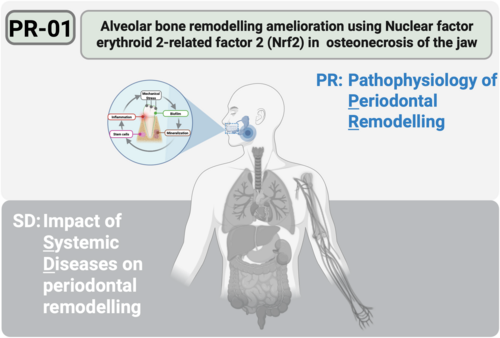
PR-01: Alveolar bone remodelling amelioration using Nuclear factor erythroid 2-related factor 2 (Nrf2) in osteonecrosis of the jaw
Priv.-Doz. Dr. med. Dr. med. dent. Anna Bock · Univ.-Prof. Dr. rer. nat. Thomas Pufe
Alveolar bone regeneration is crucial for the long-term stability of the periodontium. This project investigates the role of the Nrf2 signaling pathway in regulating bone remodeling and tissue healing. The goal is to develop new strategies to promote regenerative processes in the jaw region.
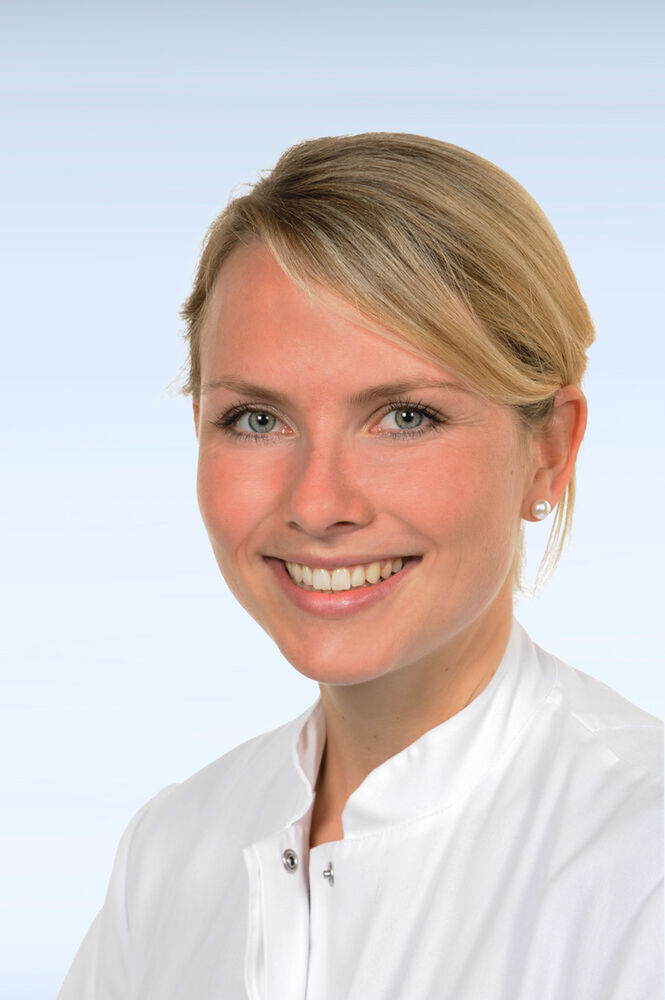
Priv.-Doz. Dr. med. Dr. med. dent. Anna Bock
Oral and Maxillofacial Surgery

Univ.-Prof. Dr. rer. nat. Thomas Pufe
Institute of Anatomy and Cell Biology
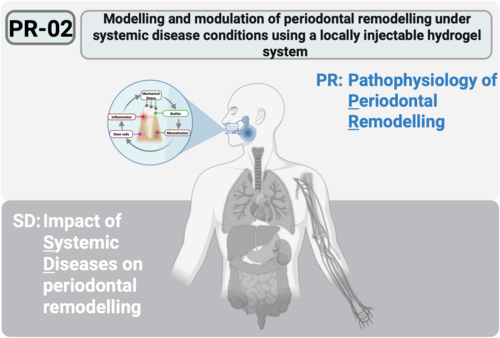
PR-02: Modelling and modulation of periodontal remodelling under systemic disease conditions using a locally injectable hydrogel system
Priv.-Doz. Dr. rer. nat. Rogerio Bastos Craveiro · Univ.-Prof. Dr. rer. nat. Yang Shi
Innovative biomaterials open up new possibilities for selectively influencing biological processes. This project is developing injectable hydrogel systems to modulate disease-related changes in periodontal tissue and promote regenerative processes. The goal is to develop new therapeutic approaches for patients with systemic conditions.

Priv.-Doz. Dr. rer. nat. Rogerio Bastos Craveiro
Orthodontic Clinic

Univ.-Prof. Dr. rer. nat. Yang Shi
Institute of Experimental Molecular Imaging
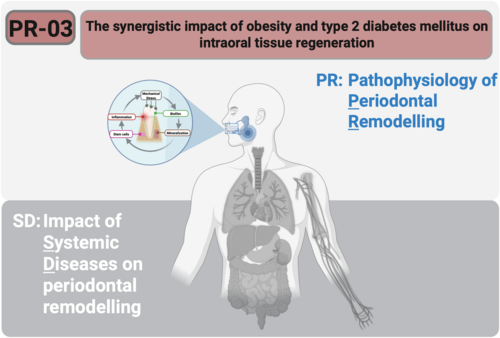
PR-03: The synergistic impact of obesity and type 2 diabetes mellitus on intraoral tissue remodelling
Univ.-Prof. Dr. med. Dr. med. dent. Frank Hölzle · Priv.-Doz. Dr. Emiel van der Vorst
Obesity and type 2 diabetes are among the most common chronic diseases worldwide. This project investigates their effects on inflammatory processes, tissue remodeling, and regeneration in the periodontium. The goal is to identify the biological mechanisms that lead to an increased susceptibility to periodontal disease.
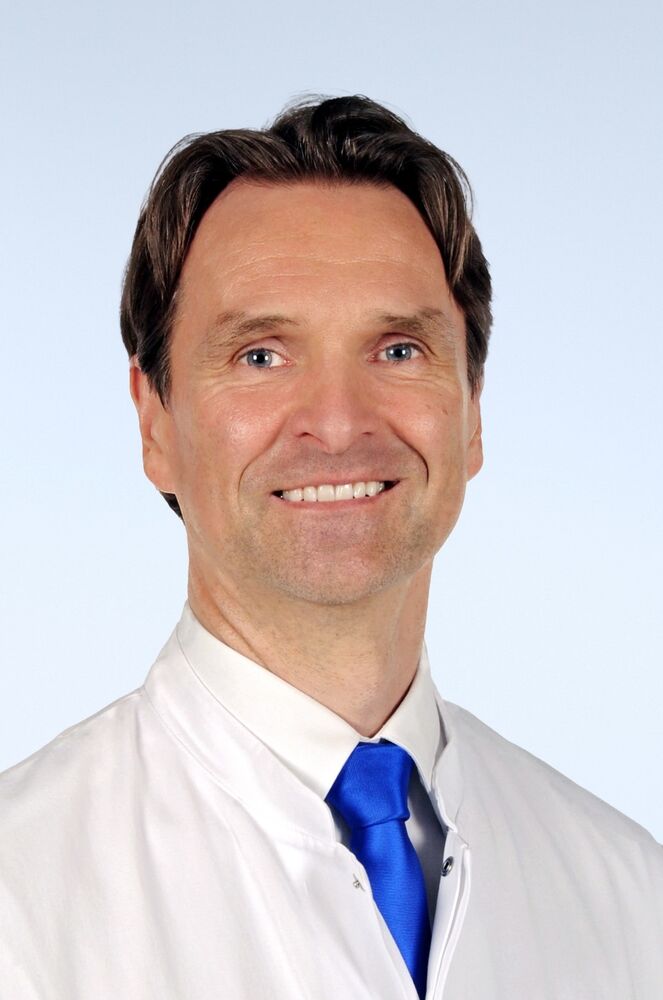
Univ.-Prof. Dr. med. Dr. med. dent. Frank Hölzle
Oral and Maxillofacial Surgery

Priv.-Doz. Dr. Emiel van der Vorst
Institute of Molecular Cardiovascular Research (IMCAR)
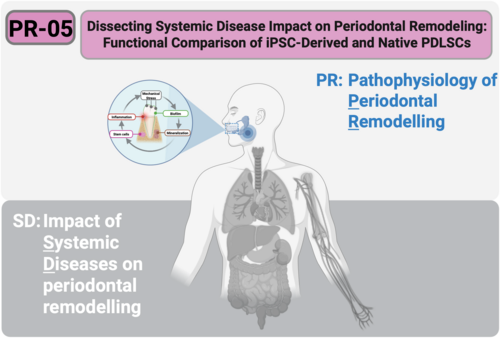
PR-04: Dissecting the role of the periodontal-immune axis in mechanically-induced tissue remodelling using an advanced dynamic 3D in vitro model
Dr. Jitske Jansen · Univ.- Prof. Dr.-Ing. Horst Fischer
Mechanical stresses have a significant impact on the function and structure of the periodontium. Using an innovative dynamic 3D model, this project investigates the interactions between immune cells, tissue remodeling, and mechanical stress. The goal is to gain a better understanding of the mechanisms that govern healthy and pathological remodeling.
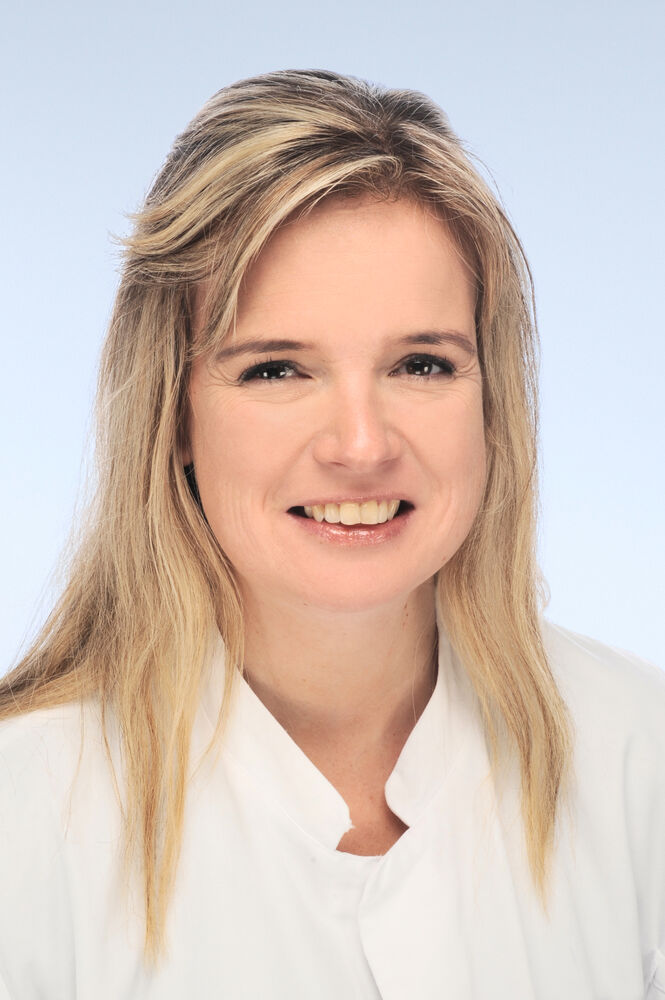

Univ.- Prof. Dr.-Ing. Horst Fischer
Dental Prosthetics and Biomaterials, Implantology Centre
Dental Materials and Biomaterials Research
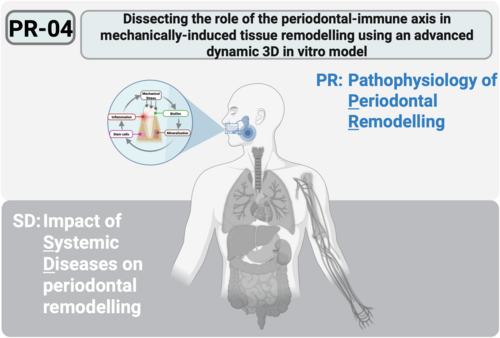
PR-05: Dissecting Systemic Disease Impact on Periodontal Remodelling: Functional Comparison of iPSC-Derived and Native PDLSCs
Dr. med. dent. Christian Niederau · Prof. Dr. Leon Schurgers
Stem cells play a central role in the regeneration of periodontal tissues. This project compares patient-specific induced pluripotent stem cells with native periodontal stem cells to analyze differences in their regenerative capacity. The goal is to develop new cell-based therapeutic approaches for periodontal diseases.

Dr. med. dent. Christian Niederau
Orthodontic Clinic

Prof. Dr. Leon Schurgers
CARIM - Cardiovascular Research Institute Maastricht - Research - Maastricht University
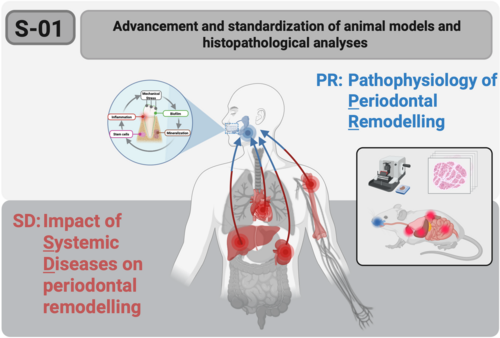
S-01: Advancement and standardisation of animal model analyses
Priv.-Doz. Dr. rer. nat. Rogerio Bastos Craveiro · Univ.-Prof. Dr. med. René H. Tolba
This service project provides standardized animal models and analytical methods for the entire consortium. Harmonized experimental conditions promote the comparability of scientific results and close collaboration among the subprojects. The platform thus serves as an important foundation for experimental research within SFB1739.
Priv.-Doz. Dr. rer. nat. Rogerio Bastos Craveiro
Orthodontic Clinic

Univ.-Prof. Dr. med. René H. Tolba
Institute of Laboratory Animal Science
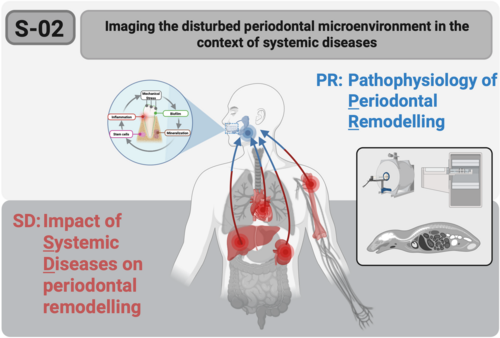
S-02: Imaging the dental microenvironment and its systemic crosstalk
Univ.-Prof. med. Peter Boor, PhD · Univ.-Prof. Dr. med. Felix M. Mottaghy · Dr. rer. nat. Marta Rizk
Modern imaging techniques provide new insights into the interactions between tissues and organs. This service project develops and establishes innovative imaging methods for analyzing the periodontium and its systemic connections. The platform supports all projects in the high-resolution visualization of biological processes.
Univ.-Prof. med. Peter Boor, PhD
Pathology Institute

Univ.-Prof. Dr. med. Felix M. Mottaghy
Nuclear Medicine
Dr. rer. nat. Marta Rizk
Orthodontic Clinic
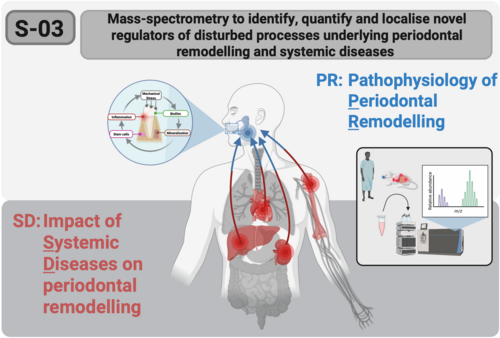
S-03: Mass-spectrometric approaches to identify, quantify and localise novel crosstalk mediators of pathological processes underlying periodontal remodelling
apl. Prof. Vera Jankowski, PhD · Univ.-Prof. Dr. rer. nat. Joachim Jankowski
Mass spectrometry is a key technology for identifying biological signaling molecules. This service project supports all subprojects in the identification, quantification, and localization of new mediators of systemic and periodontal diseases. The goal is to provide a central platform for proteomics, peptidomics, and metabolomics.

apl. Prof. Vera Jankowski, PhD
Institute of Molecular Cardiovascular Research (IMCAR)
Univ.-Prof. Dr. rer. nat. Joachim Jankowski
Institute of Molecular Cardiovascular Research (IMCAR)
IRTG: Integrated Research Training Group “Periodontal Remodeling in Systemic Diseases”
Priv.-Doz. Dr. med. dent. Isabel Knaup · apl.-Prof. Heidi Noels, PhD · Univ.-Prof. Dr. med. dent. Michael Wolf, M.Sc.
TheIntegrated Research Training Group serves as the SFB1739 training platform for doctoral candidates in dentistry, human medicine, and the basic sciences. Through joint seminars, methodology courses, and mentoring programs, it provides a comprehensive understanding of periodontal organ crosstalk. The goal is to train a new generation of interdisciplinary researchers.
Priv.-Doz. Dr. med. dent. Isabel Knaup
Orthodontic Clinic
apl.-Prof. Heidi Noels, PhD
Institute of Molecular Cardiovascular Research (IMCAR)
Univ.-Prof. Dr. med. dent. Michael Wolf, M.Sc.
Orthodontic Clinic
Z-01: Central tasks of the SFB1739
Univ.-Prof. Dr. rer. nat. Joachim Jankowski · Univ.-Prof. Dr. med. dent. Michael Wolf, M.Sc.
The central project coordinates the scientific, organizational, and administrative activities of SFB1739. It facilitates collaboration among the subprojects, organizes events, and promotes communication within the consortium as well as with the public. In this way, Z-01 establishes the structural framework necessary for the successful implementation of the joint research strategy.
Univ.-Prof. Dr. rer. nat. Joachim Jankowski
Institute of Molecular Cardiovascular Research (IMCAR)
Univ.-Prof. Dr. med. dent. Michael Wolf, M.Sc.
Orthodontic Clinic

